Talks
Isamu Noguchi and the Stone Sculpture of Early India
A talk by Kalyani Madhura Ramachandran moderated by Dipti Khera
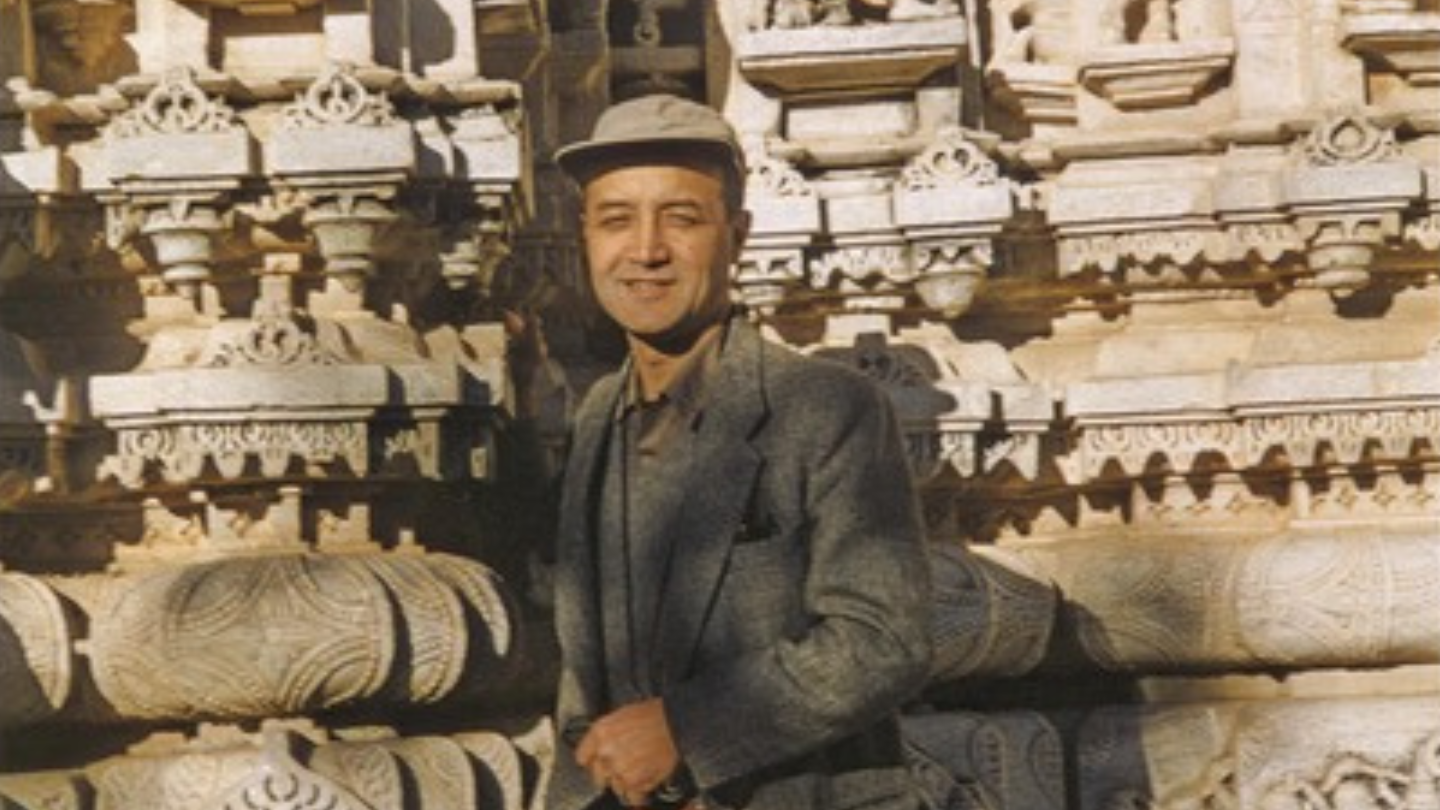
Isamu Noguchi in India, c. 1970s. The Noguchi Museum Archives, 08014. © The Isamu Noguchi Foundation and Garden Museum, New York / Artists Rights Society (ARS), New York.
Isamu Noguchi wrote in 1949 that the site of Mahabalipuram was his “first and most authentic lesson.” Between then and his death in 1988, Noguchi visited India at least eleven times. Yet there has been little investigation into the nature of this long and deep connection, and the impact it had on the sculptor’s artistic philosophy and practice.
In this talk, Kalyani Madhura Ramachandran, art historian and Postdoctoral fellow at NYU Shanghai, sheds light on the sculptor’s enduring interest in the art of early India, including Sanchi, Elephanta, and Mahabalipuram, among numerous other ancient sites, and traces the centrality of the “matter of sculpture” in his approach. In looking at and alongside Noguchi, this talk expands our current understanding of the sculptor’s work and calls for material approaches to the study of sculpture from early India.
This talk will be followed by a discussion with art historian and professor Dipti Khera, and a Q&A with the audience.
This programme at MAP is part of A Closer Look, a monthly series of research-focused talks by artists, curators and art historians focusing on visual cultures of South Asia.
Bookings
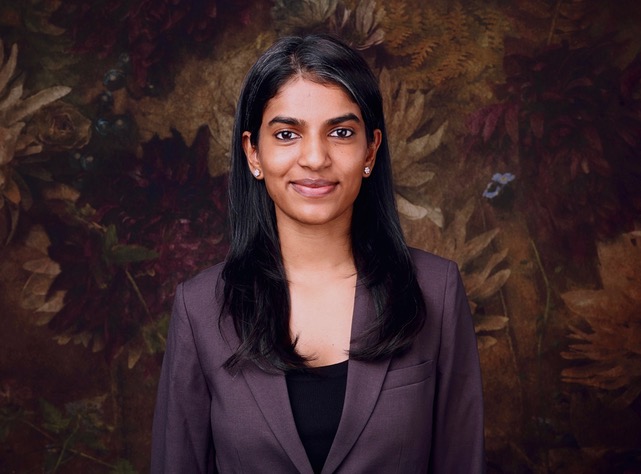
Kalyani Madhura Ramachandran
Kalyani Madhura Ramachandran is an art historian of South Asia. Her work focuses on early Buddhist art in the Deccan and its transmissions across Southeast
Asia. She has further interests in colonial, contemporary, and curatorial approaches to premodern South Asian stonework. Kalyani completed a PhD at Columbia University; an MPhil at the University of Oxford as a Rhodes Scholar; and a B.A. at St. Stephen’s College, University of Delhi, where she won the Department of History Prize. She previously served as a Research Assistant at the Metropolitan Museum of Art, where she worked on five exhibitions. Kalyani is currently a Postdoctoral Fellow at NYU Shanghai.
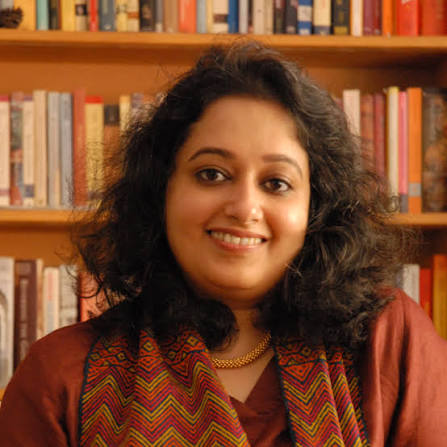
Dipti Khera
Dipti Khera is Associate Professor in the Institute of Fine Arts and Department of Art History at New York University. With interdisciplinary training in art history, museum anthropology, and architecture, her research and teaching on early modern South Asia integrate longue durée perspectives and Indian Ocean and Eurasian geographies. Khera’s The Place of Many Moods: Udaipur’s Painted Lands and India’s Eighteenth Century (Princeton University Press, 2020) was awarded the Edward Cameron Dimock, Jr. Prize in Indian Humanities. Her co-edited volumes include the catalogue for A Splendid Land: Paintings from Royal Udaipur (Hirmer Publications, 2022), an exhibition she co-curated at the National Museum of Asian Art (Smithsonian Institution) and the Cleveland Museum of Art; “The ‘Long’ Eighteenth-Century?“ Journal18 (December 2021); and Readings on Painting: From 75 Years of Marg. Volume 74 No. 4 and Vol 75/ No 2. Mumbai: Marg Publications (June-September 2023). In 2023-24, she held the American Institute of Indian Studies-National Endowment for Humanities Senior Fellowship in affiliation with the School of Arts and Aesthetics, Jawaharlal Nehru University, to conduct new research on painted letters sent from local bazaars of early modern and colonial India. While in residence as Senior Research Fellow at the Museum of Art and Photography (March-August 2026), she will continue her research on the provenance and conservation histories of these painted letters, including an example in MAP’s collections, as well as travel across Gujarat for a collaborative project on the stakes and histories of mapping practices in South Asia.