Online Talk
Symposium
Garden of the Senses — A Sensory History of Indian Art
An Impart X MAP Symposium
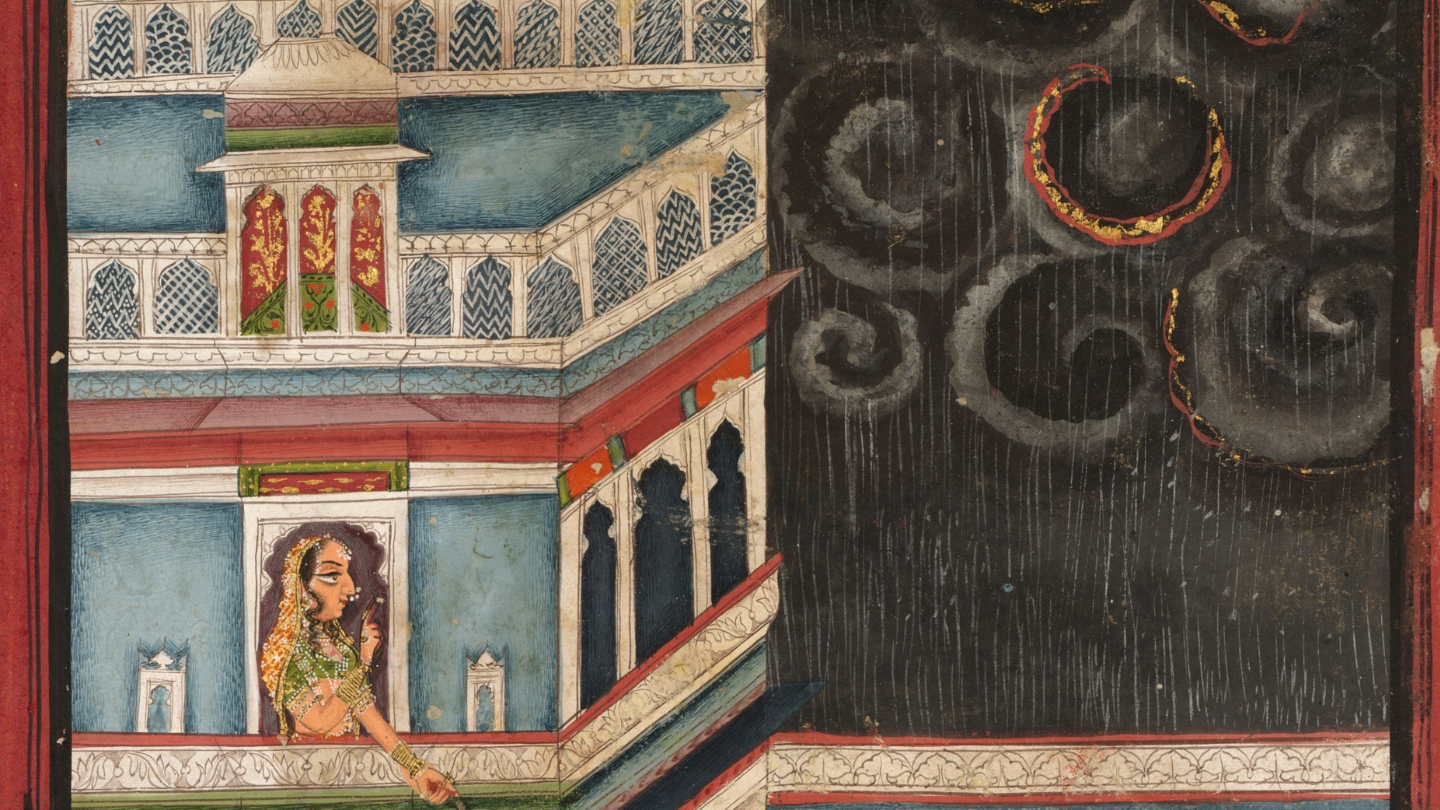
Lover’s Tryst; Rajasthan, India; 1750–1800; Gum tempera and gold on paper; 30.7 x 23 cm. Courtesy The Cleveland Museum of Art: Mr and Mrs William H Marlatt Fund
What might taste, touch, scent, sound, and emotion reveal about the history of art?
Bringing together artists, critics, historians, and practitioners, this three-part series explores how sensory approaches can expand our understanding of South Asia’s art and cultural histories — through subjects ranging from court paintings and garden cultures to kitchens, workshops, and cities.
Presented in collaboration with IMPART, this series is held in conjunction with the exhibition Paper Gardens: Art, Botany and Empire, on view at MAP until 5 July 2026.
Scroll down to view the schedule, learn more about the speakers.
[DIALOGUE 1]
Ways of Feelings — An Introduction to Sensory History
24 June | Wednesday | 7 PM (IST)
Dr Fatima Quraishi, Dr Preeti Bahadur Ramaswami, Vinit Vyas
Drawing on court miniatures from the Himalayas to the Deccan, this session provides a general introduction to sensory approaches in art history. It considers what these works reveal about people, places, cultures, and lived experiences across time; what it means to feel an image rather than merely see it; and how such an approach might open up new ways of imagining the past.
[DIALOGUE 2]
Sensoria Indica — On Scents, Sounds and Gardens
25 June | Thursday | 7 PM (IST)
Bharti Lalwani, Indu Antony, Dr Murad Khan Mumtaz, Dr Nicolas Roth
Moving through fragrance and botany, music and materiality, scents and the city, this discussion looks closely at how non-visual senses were woven into early modern Hindustani paintings and how they continue to influence contemporary art techniques.
[DIALOGUE 3]
Making Sense — On Tastes, Touch and Labour
26 June | Friday | 7:00 PM IST
Dr Arun Kumar, Mallory Cerkleski, Dr Neha Vermani
Examining early-modern Mughal kitchens, colonial artisanal workshops in north India, and toddy shops in contemporary Kerala, this conversation foregrounds the labour behind these practices. Drawing on a wide range of archival, visual, and oral sources, it studies the politics of touch, taste, and taste-making in the South Asian context.
Bookings
Bookings are closed for this event.
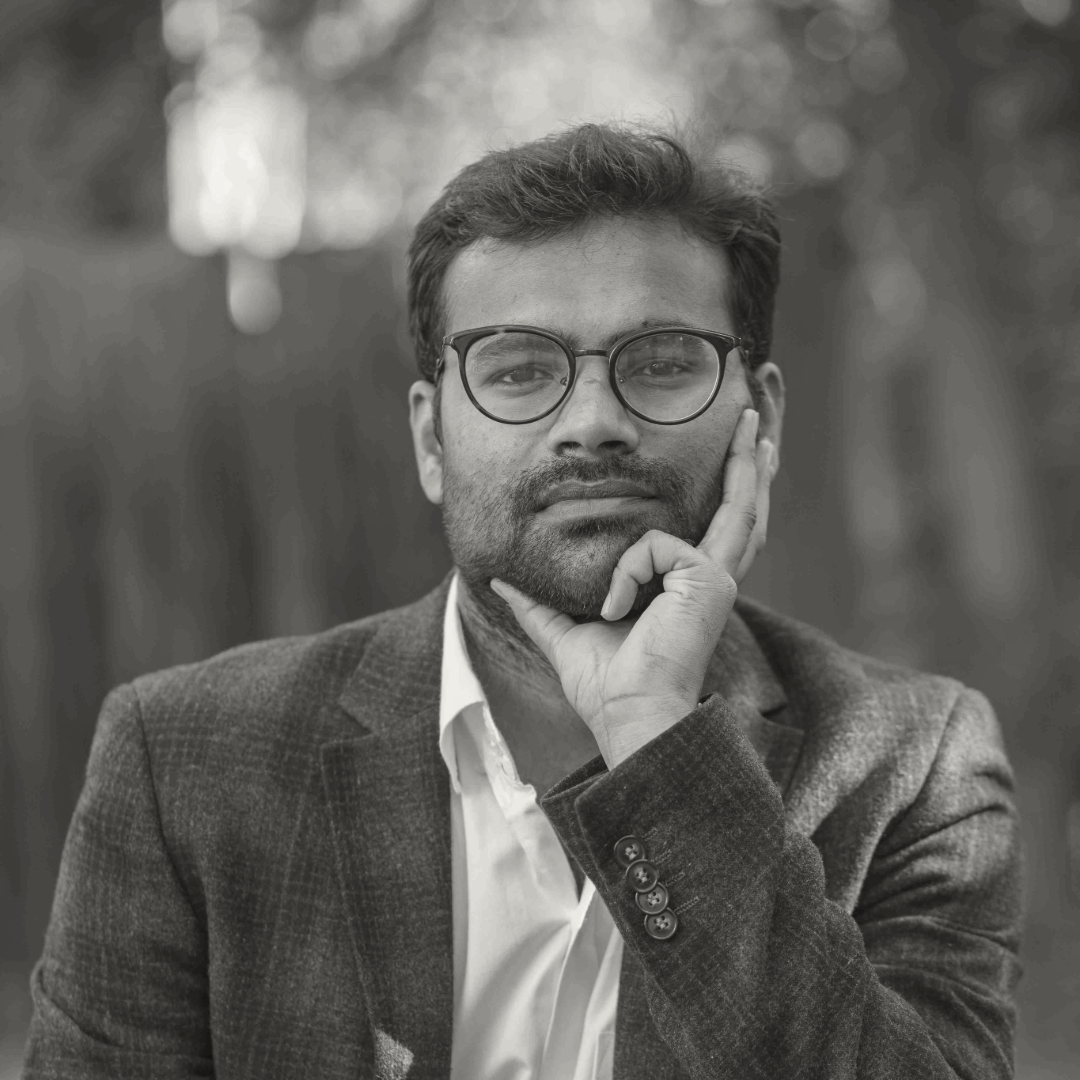
Dr Arun Kumar
Dr Arun Kumar is Assistant Professor of Modern British Imperial, Colonial, and Post-Colonial History at the University of Nottingham. His research brings together social and labour history with histories of education and literature. His work on workers’ and labouring castes’ education and subaltern literacy culture has been foundational in challenging the myth of Indian workers as illiterates. These perspectives are discussed in detail in his forthcoming monograph, provisionally titled The Silent Rebellion. He is also working on the concept of “Night-time Wellbeing” which looks at the history of South Asian nights, sleep, and labour.
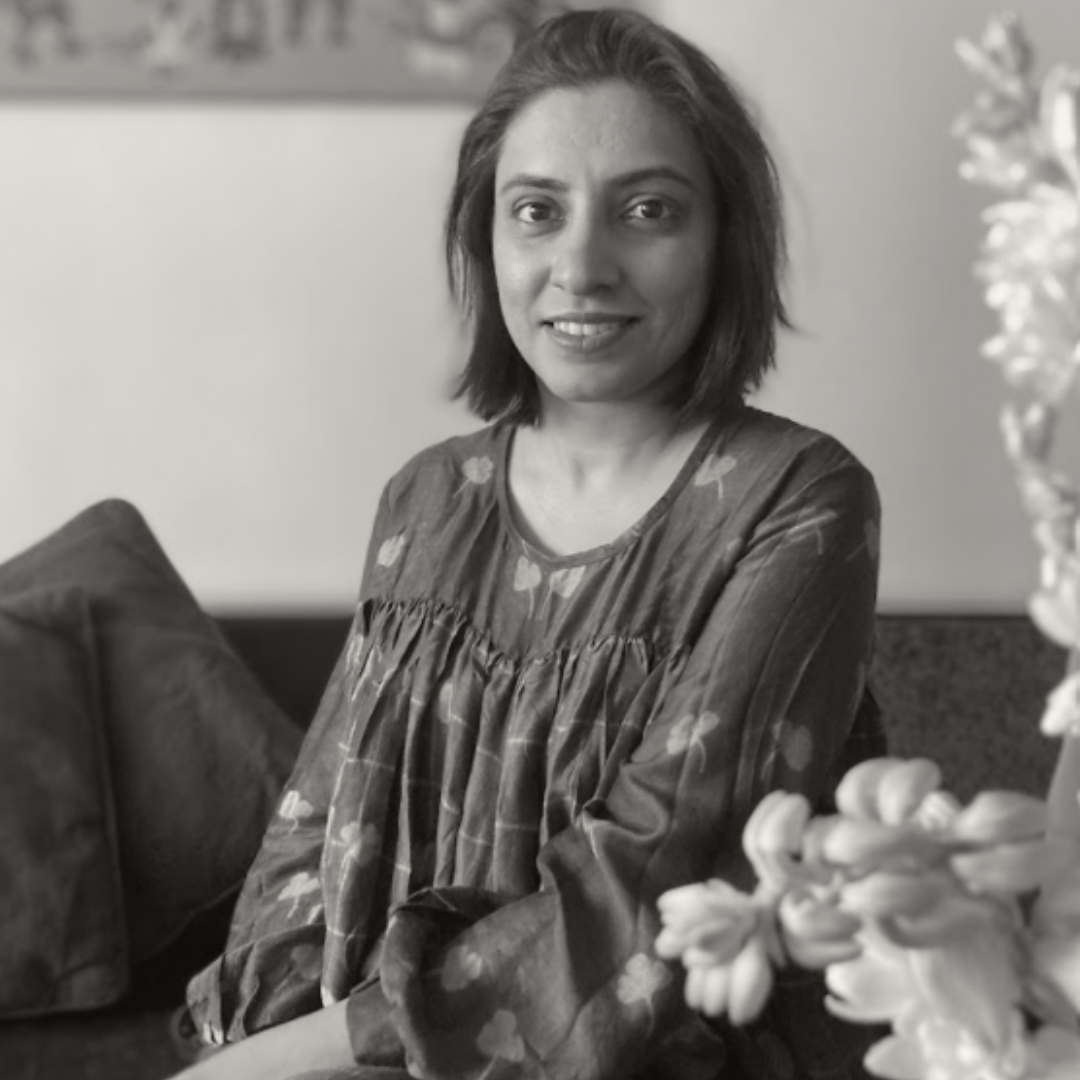
Bharti Lalwani
Bharti Lalwani is an art critic and perfumer. She collaborated with Nicolas Roth to create Bagh-e Hind (2021), a digital public garden exploring the intersections of art, gardens, and scent in early modern South Asia, and has since developed a physical community garden where she resides in Pune. She is currently training as an equestrian while formulating a perfume inspired by the scent of Mughal-era horse stables.
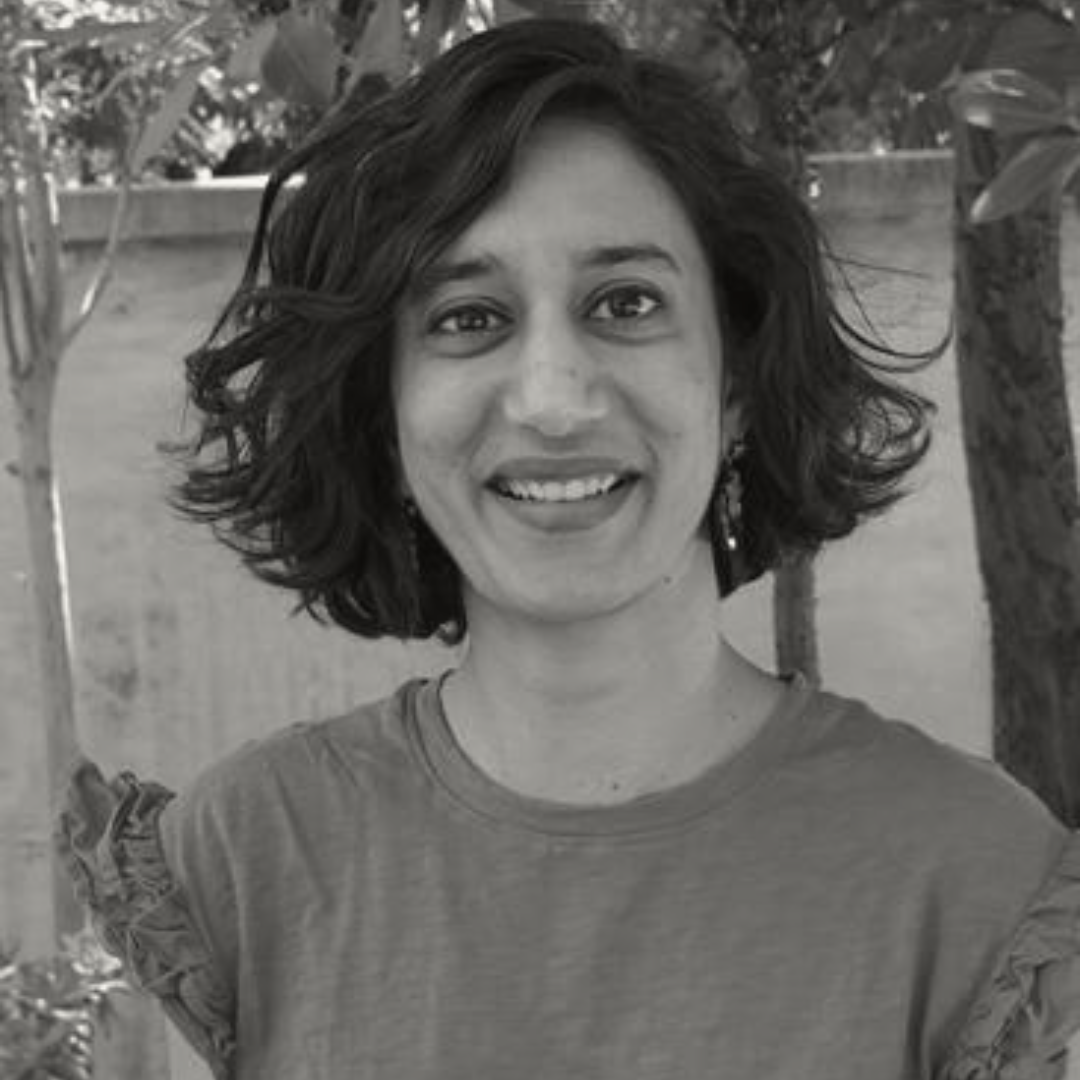
Dr Fatima Quraishi
Dr Fatima Quraishi is Assistant Professor of Art and Archaeology at Princeton University. She received her PhD from the Institute of Fine Arts, New York University, in 2019. She is particularly interested in the art and architecture of South Asia, with a focus on the visual culture of Muslim communities in the pre-modern period. Her research examines the intersection of transregional artistic styles with locally embedded practices, highlighting early modern mobilities of people and objects. Her forthcoming book, Palimpsests Past and Present: The Sufis and Sultans of the Makli Necropolis (1380–1660), uses rarely consulted archives in Pakistan alongside close analysis of Makli’s built environment to understand the site as an artistic and architectural palimpsest.
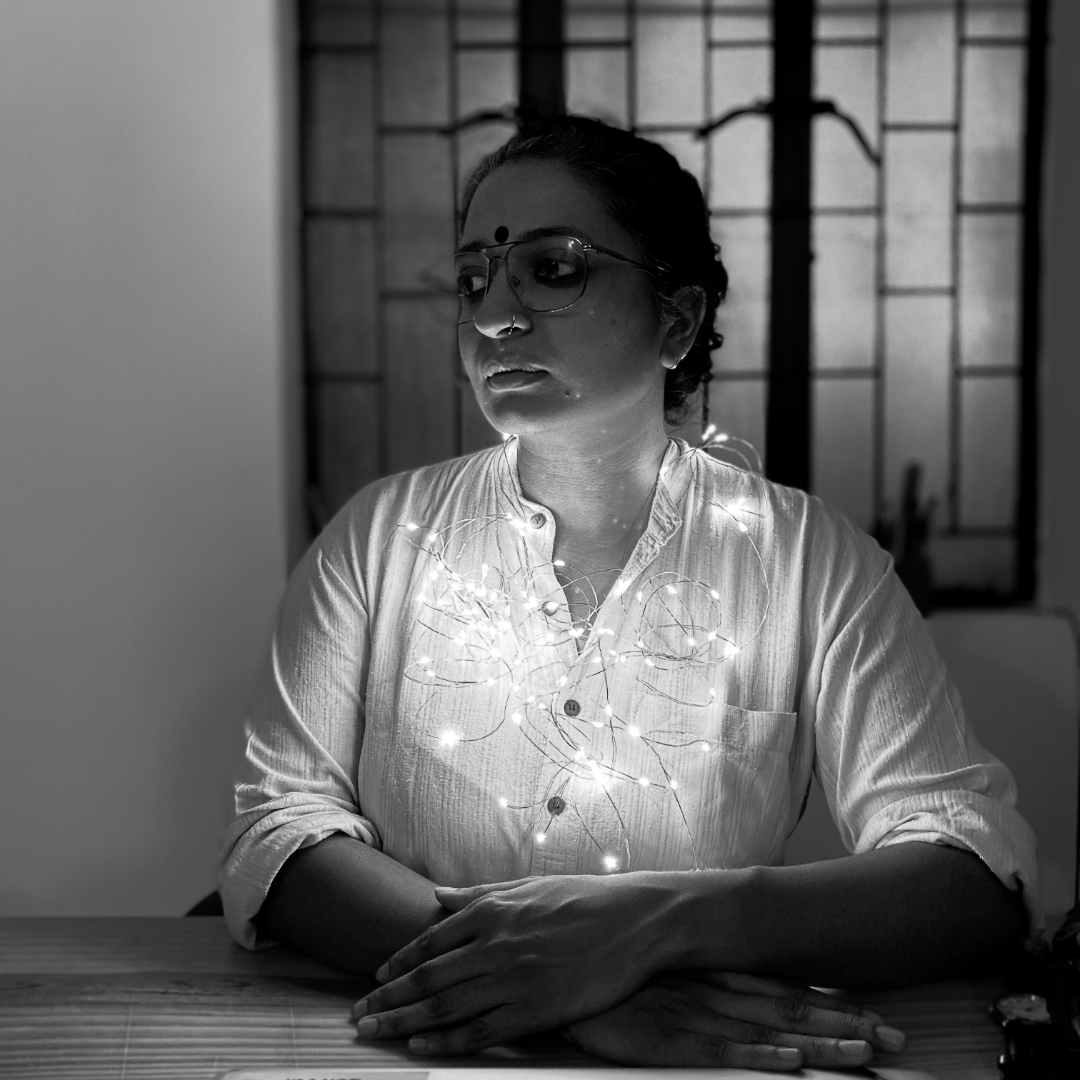
Indu Antony
Indu Antony is a multidisciplinary artist based in Bengaluru, India. Her practice explores feminism, gendered bodies, and public space through projects such as Cecilia’ed. Deeply invested in community-led art, she co-founded Kanike and Namma Katte, a women’s leisure space. She initiated Vasane, Bengaluru’s first smell archive, exploring memory through scent. Antony also founded Mazhi Books to encourage self-publishing, particularly among women. Her work moves across art, publishing, and community-building, creating spaces for dialogue, participation, and alternative forms of archiving.
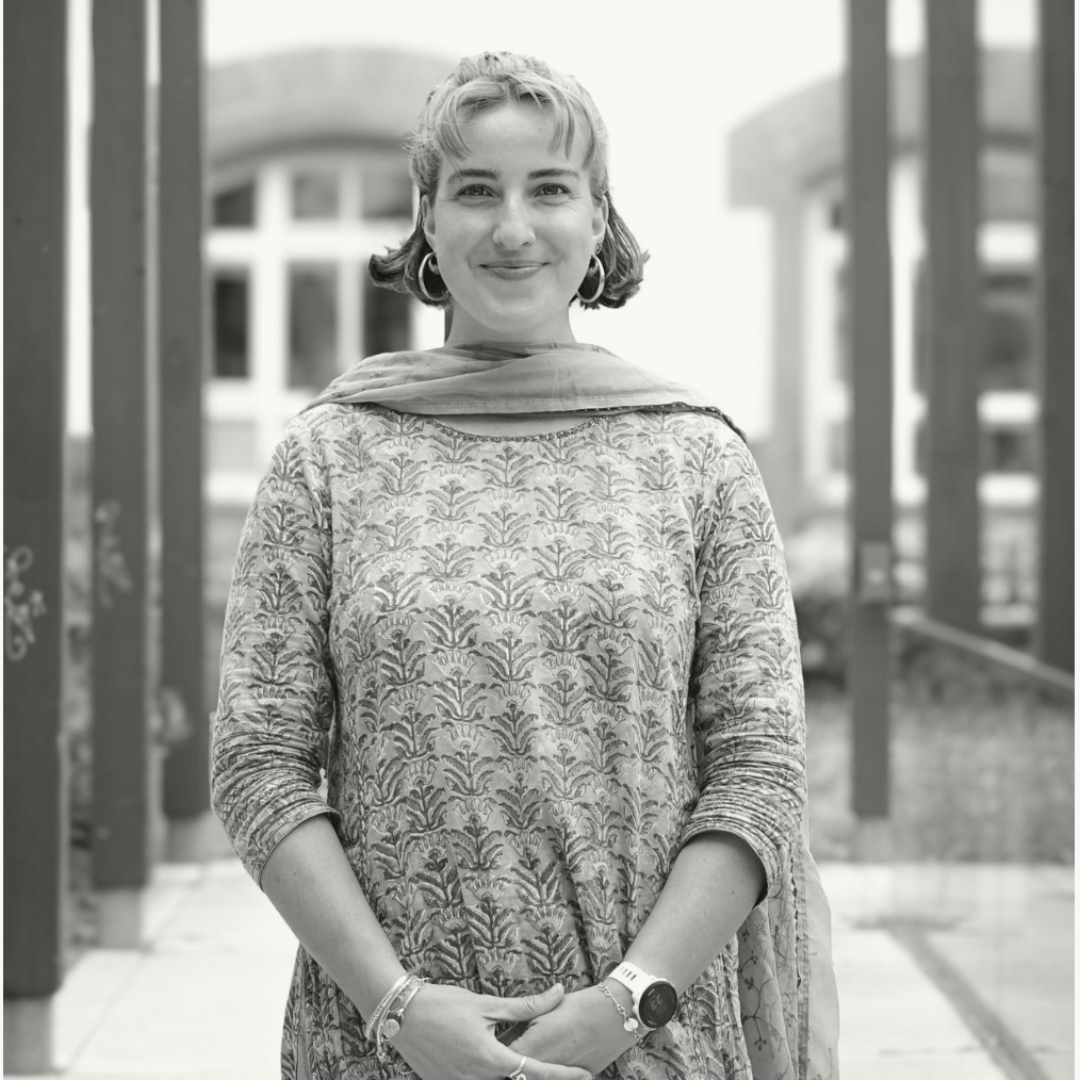
Mallory Cerkleski
Mallory Cerkleski is a doctoral candidate in History at the Scuola Normale Superiore in Pisa, Italy and a visiting scholar at the South Asia Institute, University of Heidelberg. Her dissertation, provisionally titled From Scarcity to Selectivity: A People’s History of Food Rationing in Kerala, 1939–1997, examines how infrastructures of food provisioning shaped everyday consumption, political consciousness, domestic labour, and welfare citizenship in postcolonial India. She serves on the board of the Graduate Association for Food Studies, is co-editor of the Graduate Journal of Food Studies, and organises the collaborative book project Culinary Chronicles: Oral Histories of Food, Mobility, and Belonging.
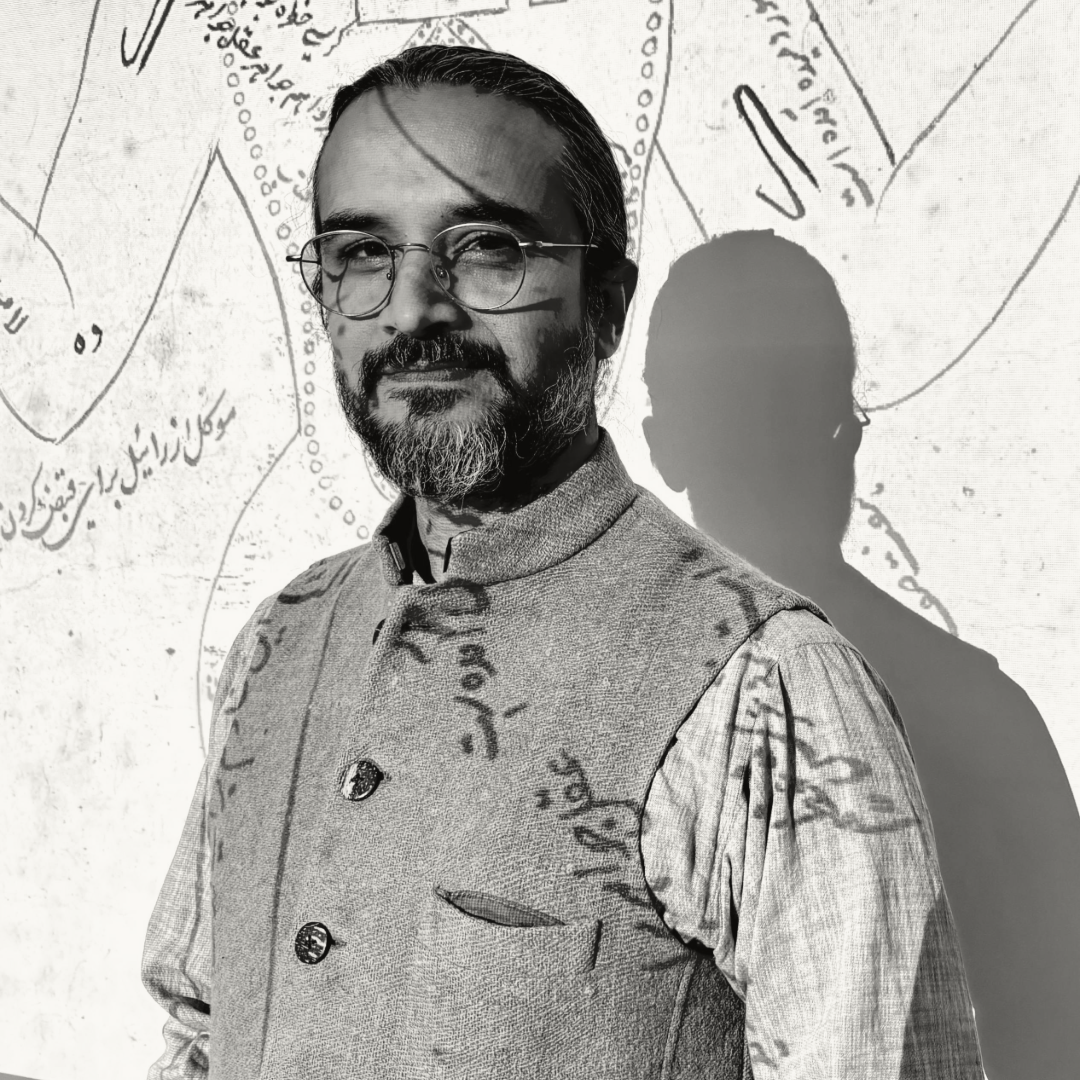
Murad Khan Mumtaz
Murad Khan Mumtaz is a US-based Pakistani artist and scholar, and Associate Professor of Art at Williams College, Massachusetts. He completed his PhD in art history from the University of Virginia. His artistic practice meditates on traces of local cultures and histories disappearing in the globalised landscape of contemporary life through techniques associated with historical Hindustani painting traditions. His scholarly research examines intersections of art, literature, and religious expression in South Asia, particularly Indo-Muslim patronage. His book, Faces of God: Images of Devotion in Indo-Muslim Painting (Brill, 2023), explores early modern devotional artworks and their cultural contexts.
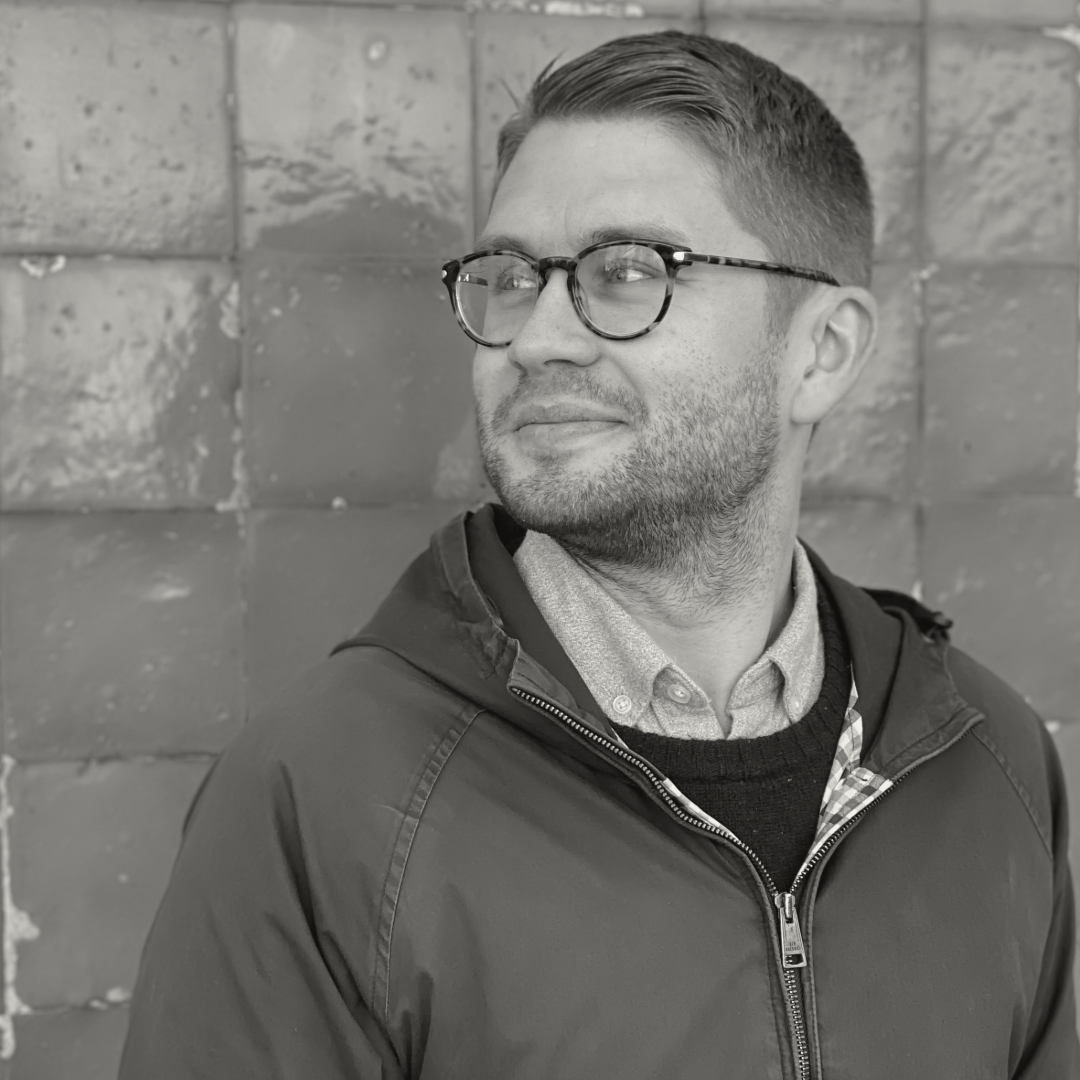
Dr Nicolas Roth
Dr Nicolas Roth is a scholar, gardener, and garden designer specialising in the history of horticultural practices and their reflections in literature and the visual arts. He holds a PhD in South Asian Studies and was formerly Visual Resources Librarian for Islamic Art and Architecture at Harvard University’s Fine Arts Library. Currently Senior Horticulturist at Dario Pizzi Garden Design, London, he has collaborated with Bharti Lalwani since 2021 on creating Bagh-e Hind, exploring the intersections of art, gardens, and scent in early modern South Asia.
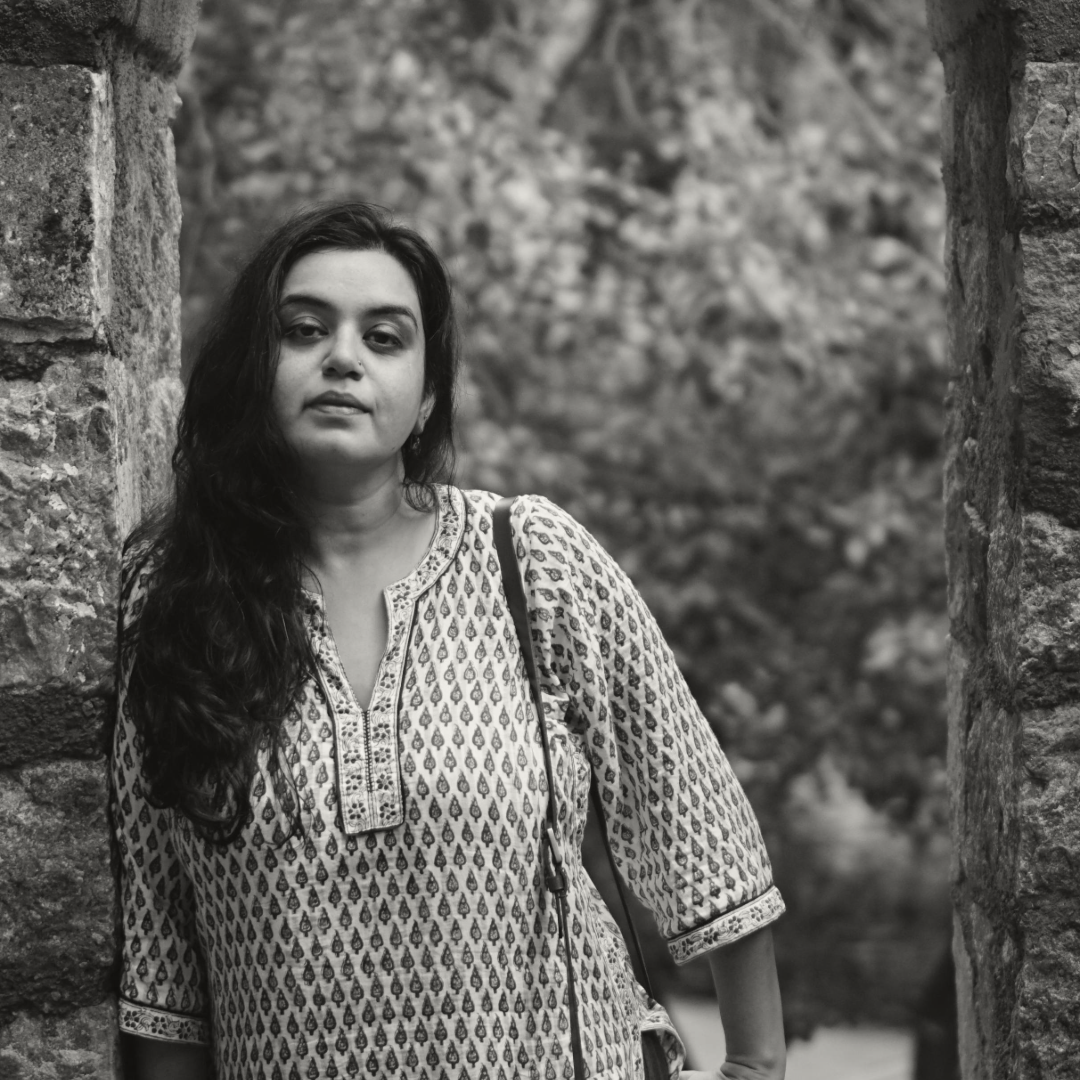
Dr Neha Vermani
Dr Neha Vermani is a historian of early modern South Asia. Her research explores the intersections of food practices, science, material culture, affect, and the natural world. She received her PhD in History from the University of London in 2020 and held Mellon Foundation and British Academy-funded postdoctoral positions in the US and UK. Currently an Honorary Fellow at Durham University, she is completing her first monograph, Tasting the Empire: Food, Body, and Connoisseurship in Mughal South Asia, and developing a public-facing book project. Her work has appeared in academic journals, edited volumes, and Scroll.
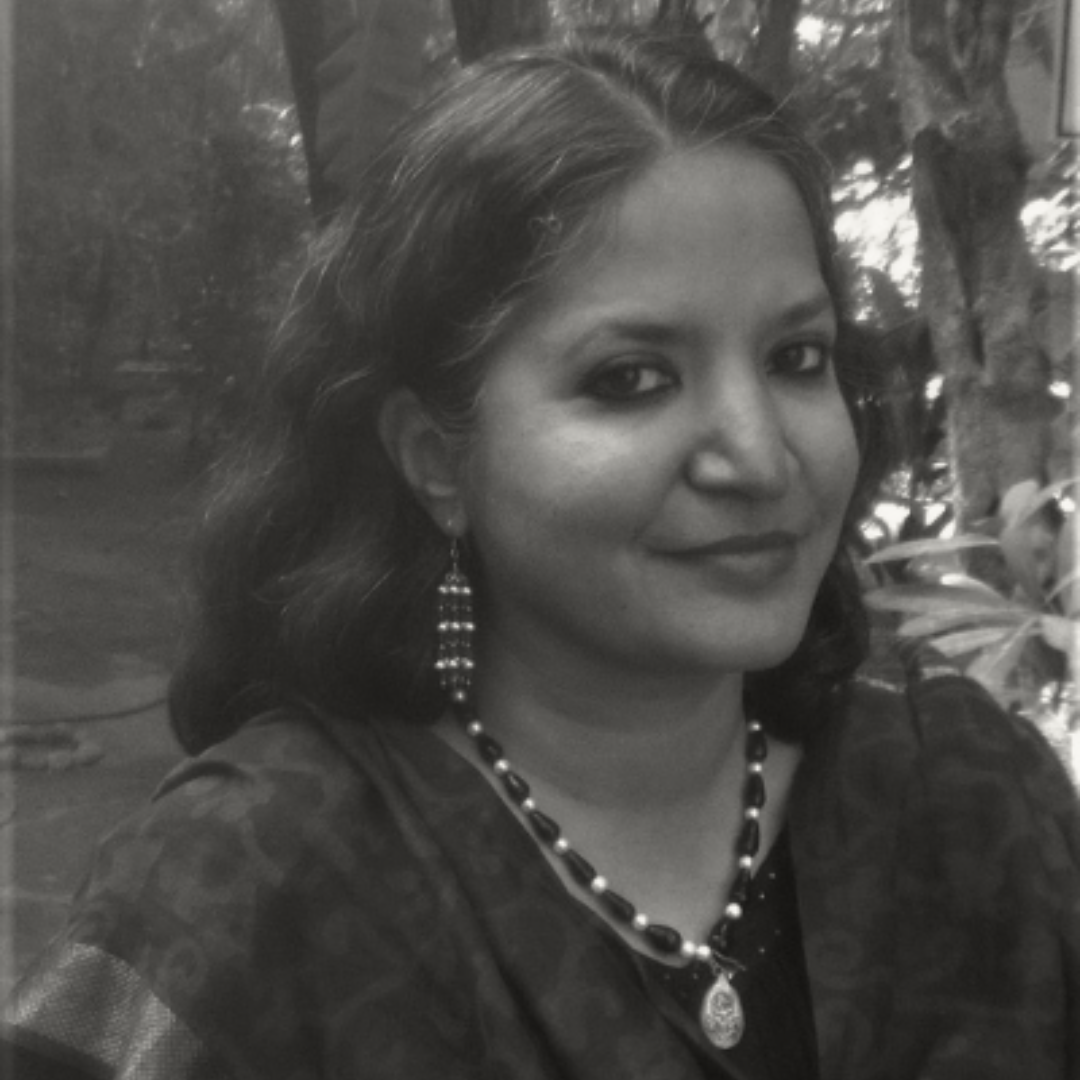
Dr Preeti Bahadur Ramaswami
Dr Preeti Bahadur Ramaswami is an art historian based in Delhi and Senior Curator & Head of Classical Indian, Folk and Tribal Arts at the Kiran Nadar Museum of Art (KNMA). Her research on Indian miniature painting explores the intersections of music and aesthetics. Her wider work spans Deccan studies, oral epics, crafts, museums, and curatorial practice. She has published on Indian miniature painting and contemporary art, and has taught art history at several institutions in Delhi.
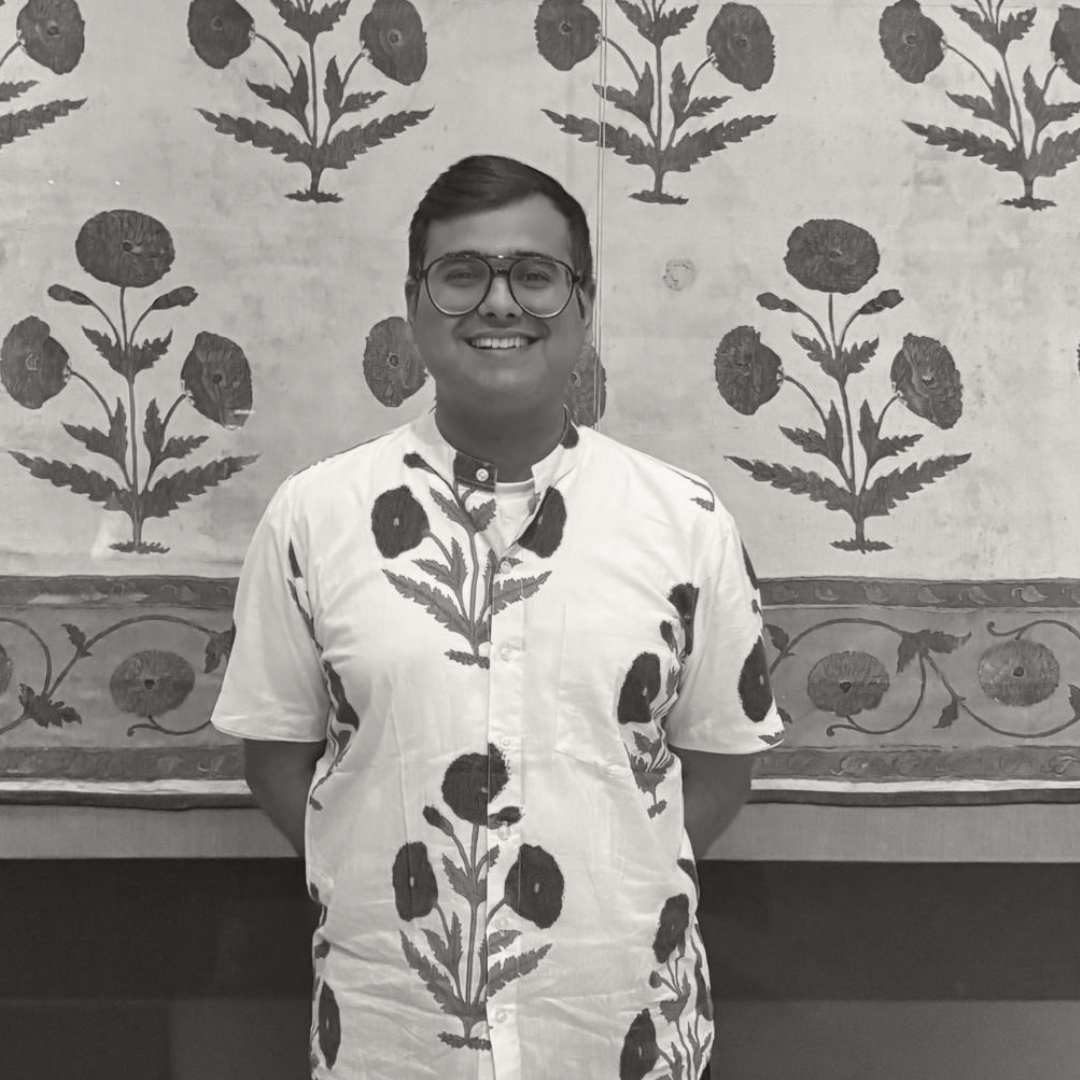
Vinit Vyas
Vinit Vyas is a PhD scholar in Art History and a 2026 PS2 Summer Public Research Fellow at the Graduate Center, City University of New York. His interdisciplinary research explores early modern and colonial visual and material culture of South Asia, with a focus on paintings and textiles. He is specifically interested in questions of erotica, gender ambiguity, sexuality, same-gender desire, and transgender narratives. With a BVA and MVA in Art History from the Faculty of Fine Arts, MSU Baroda, he has worked with institutions including National Institute of Design (NID), MSU Baroda, Museum of Art & Photography (MAP), Bengaluru, and the Williams College Museum of Art.

IMPART
Founded in 2022, Impart (formerly MAP Academy) is an online platform dedicated to fostering deeper engagement with South Asia’s art and cultural histories. The organisation develops comprehensive, freely accessible resources that bridge connections between museums, universities, cultural institutions, and the public.
Impart’s initiatives include the first-ever Encyclopedia of Art from South Asia, spanning over 2,500 entries; a suite of Learning Resources, including courses, live lectures, online talks, and videos; Perspectives, an editorial programme featuring contributions from across the region and beyond; and a range of Special Projects, including multimedia efforts, grants, and organisational partnerships. With more than 1.5 million annual visitors, over 15,000 active learners, and a growing network of collaborators, Impart is building a robust online community for art from South Asia.
Impart is a unit of the Art & Photography Foundation and an institutional partner of the Museum of Art & Photography (MAP), Bengaluru.