Game
Online Exhibitions
Cards for Tomorrow
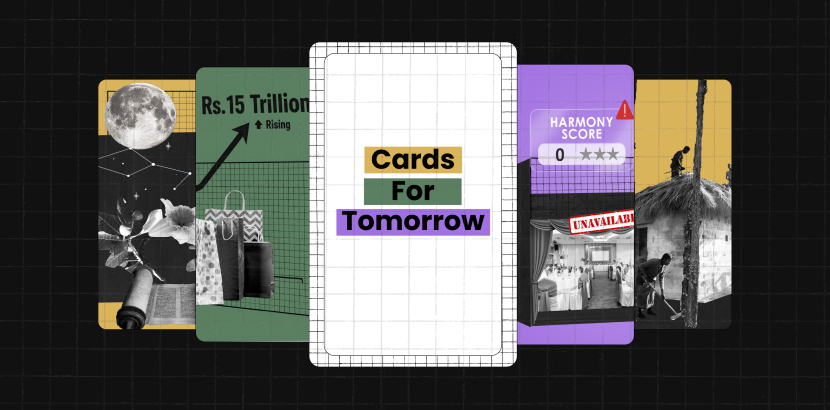
Individual action or collective power? How will you deal with the problems facing humanity when the stakes are real, the choices are weighted, and every decision has a cost?
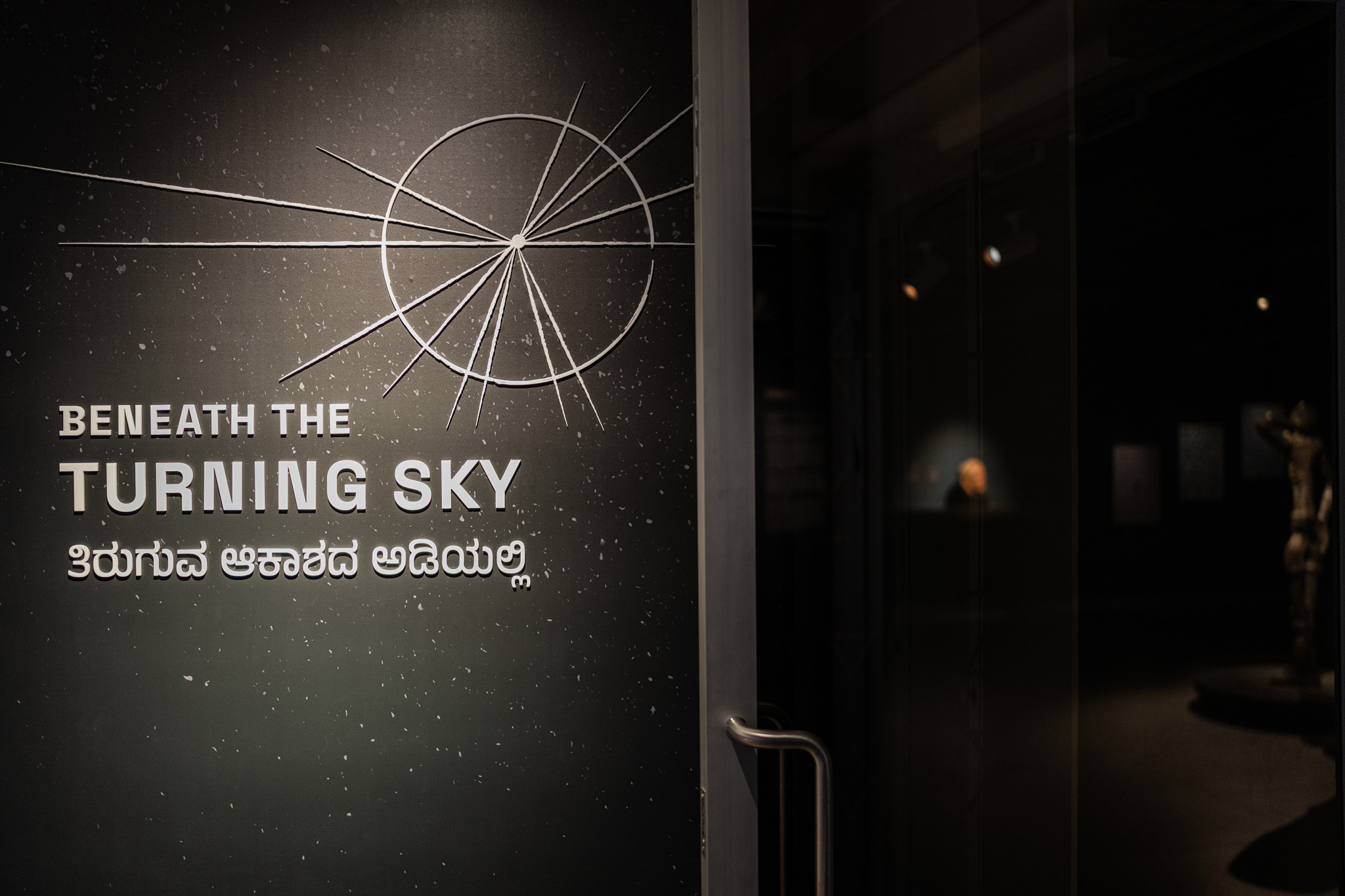
Cards for Tomorrow has been developed by MAP, the Museum of Art & Photography, Bangalore as part of Beneath The Turning Sky exhibition. The game’s scenarios set in the past, present and future, asks who holds power over land, knowledge and community, and what it costs to resist?
How It Works
Cards for Tomorrow is free to play, requires no sign-up, and runs on any smartphone or desktop browser. The game is also available to play at the museum, on touchscreens on the ground and lower ground floor. Play it solo or as a family or group, check out the activity guide for deeper engagement with the themes presented within the game as a student or educator.
Duration: 6–8 minutes per scenario
Format: Browser-based, no app needed
Ages: 9 and above
Language: English
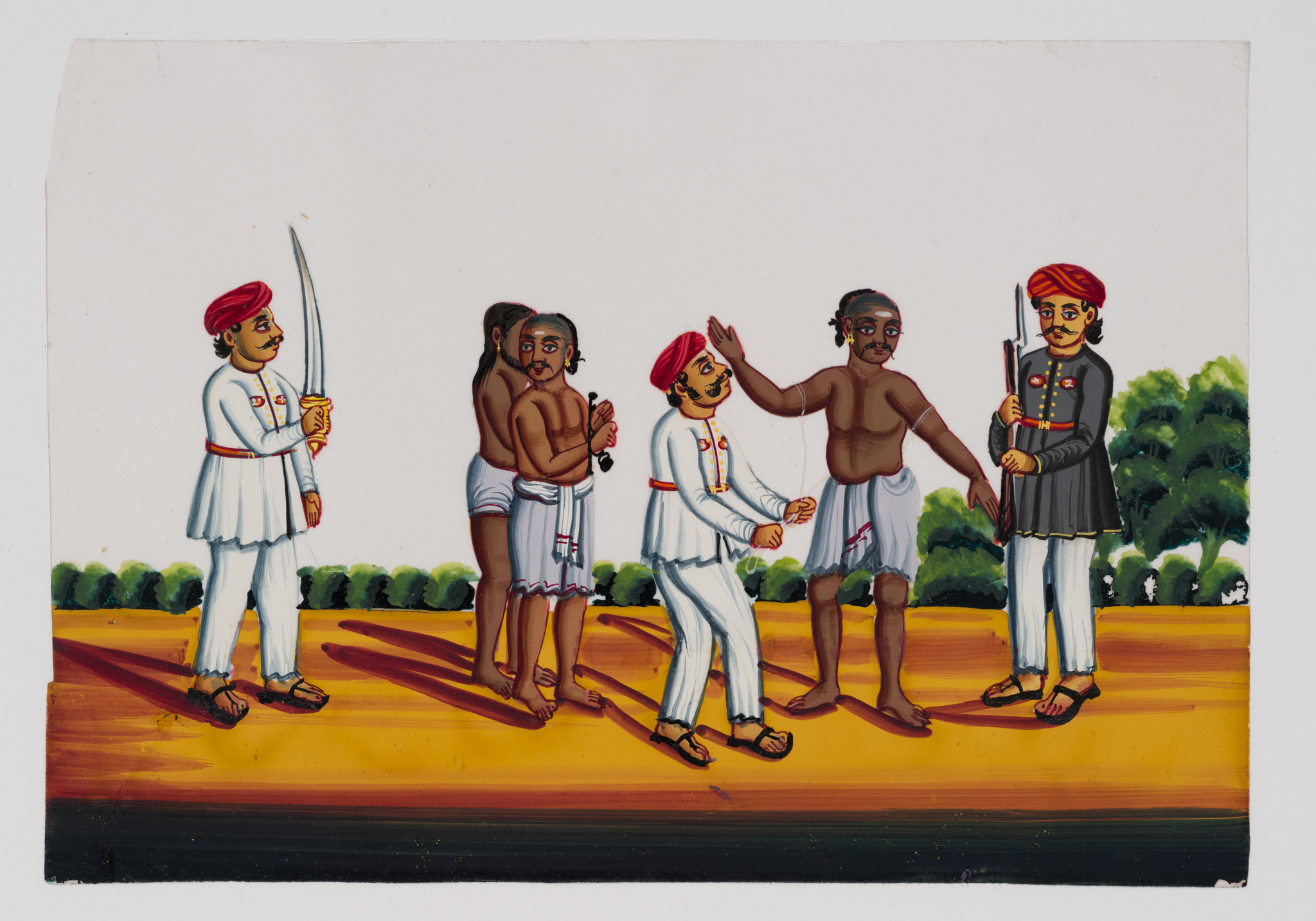
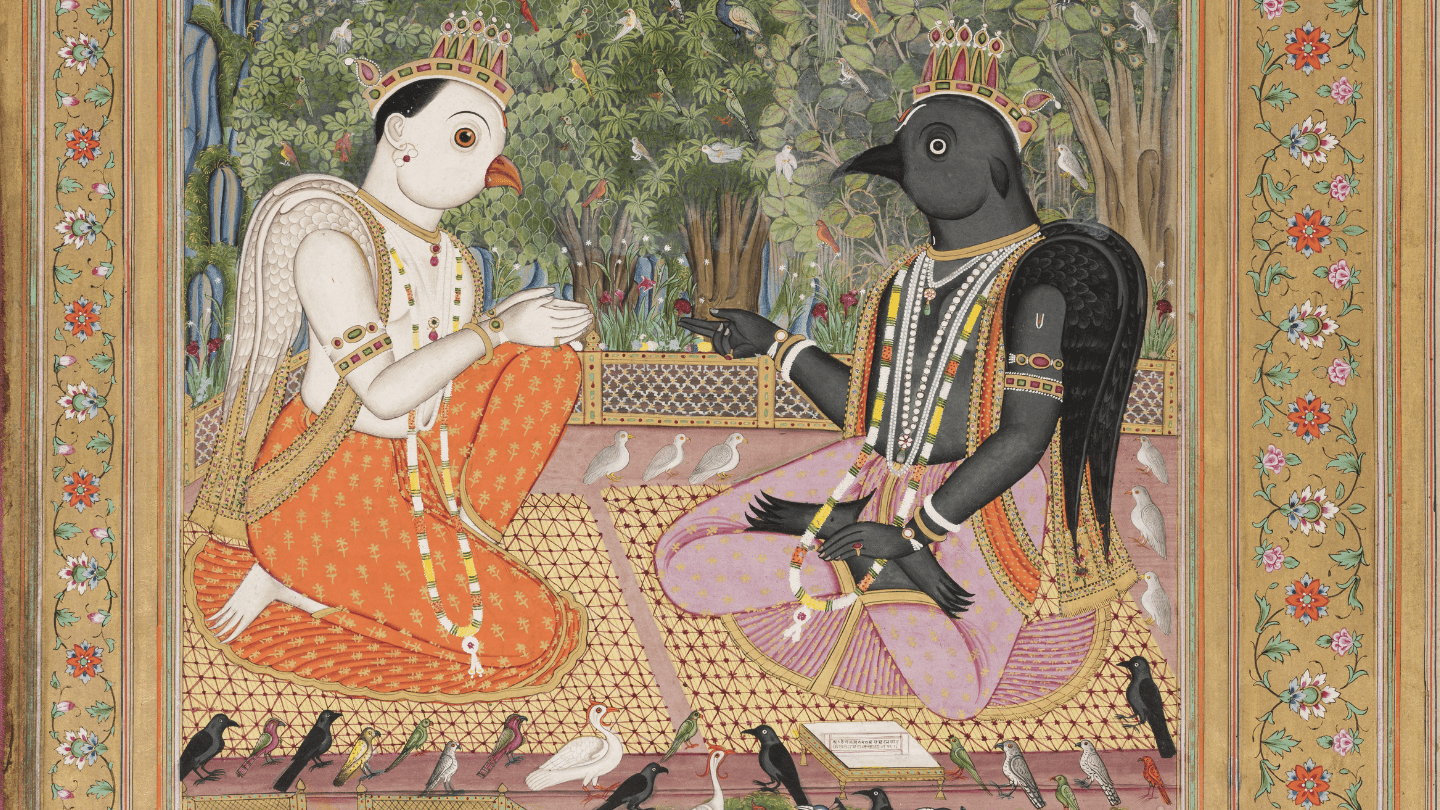
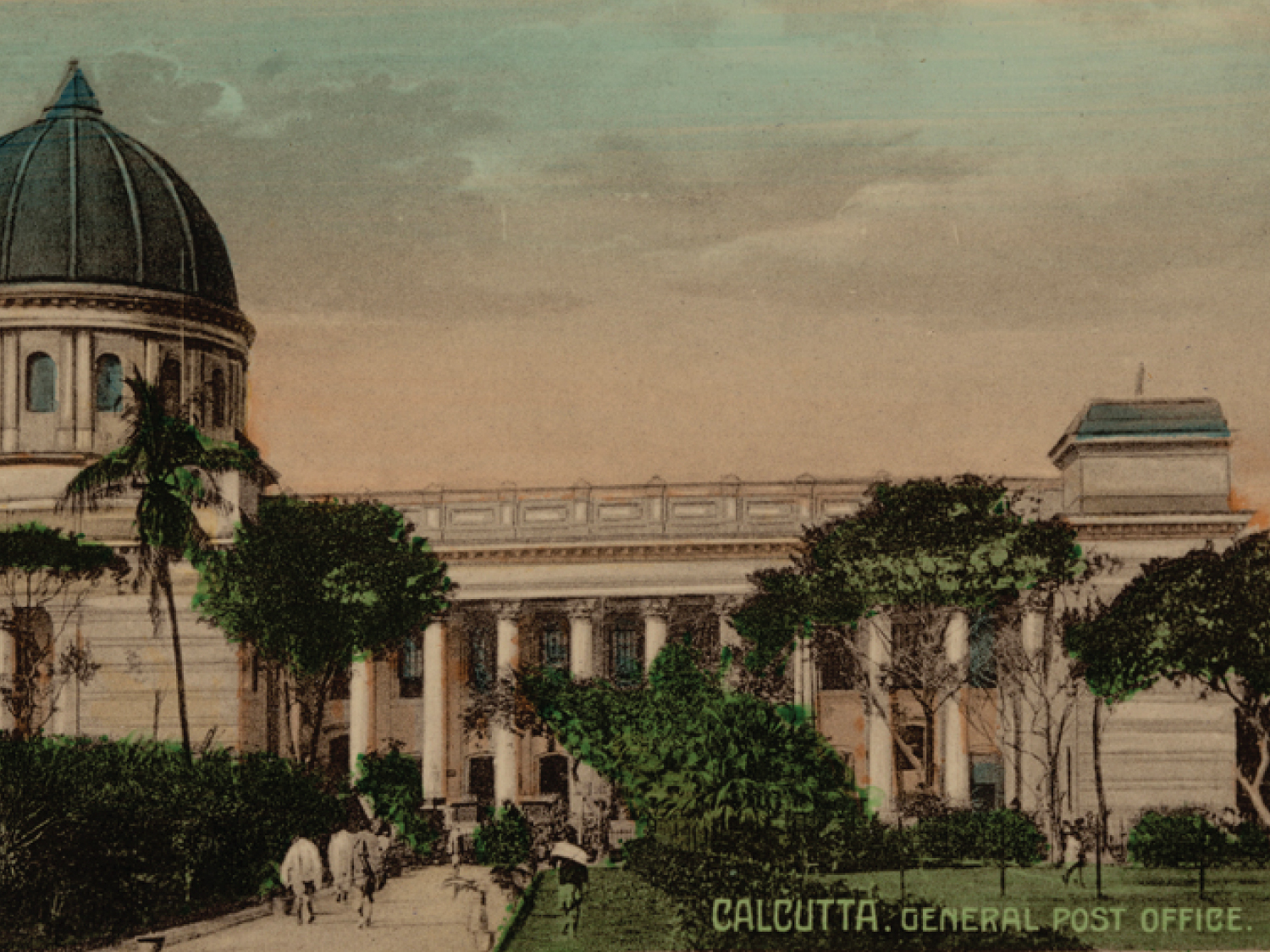
- Select a scenario set in the past in Pre-Independence India to save your sacred grove from colonial extractors
- Select a timely problem facing us all in the present with the glut of fast fashion flooding the market and visualise the true cost of your purchases
- Select a future scenario which is closer than you think and decide how you will respond to a mass-surveillance led reward system in your apartment complex from the 2040s
- Reveal a future that arises out of your choices, and find out how your thinking compares to everyone else who has played. Every decision you make cascades into different possibilities, assigns you a score, and shows you how your decisions compare to everyone else who has played.
For Educators and Facilitators
Cards for Tomorrow is designed to prompt discussion, not deliver conclusions. Each scenario is grounded in documented history or live social debate. The branching structure means no two playthroughs are identical, which makes it well-suited to group work.
Activity Suggestions
- Assign different players different starting choices within the same scenario — then compare where each path led and why.
- Pause at a key branch and debate the choice as a group before anyone plays it individually.
- Play one scenario twice: once choosing what you think is right, once choosing what you think most people would do. Compare the outcomes.
- Use the final score projection as a writing prompt — ask students to write the next chapter of the world the game ends in.
- Map the scenario onto a current news story: where do the same dynamics show up today?
Post-Play Activities
The Sacred Grove
Can you think of something in your city or neighbourhood that used to be free or open to everyone — a park, a beach, a water source — that is now harder to reach or has been taken over? Write it down and share with the group.
True Cost of Fast Fashion
Check the label on what you are wearing. Search the brand and the country it was made in and “garment worker wage.” What do workers there earn a month? Now search what the brand’s CEO earns. Put both numbers on the board.
The Social Score
Write your name on a chit and pass it to the facilitator. One name is drawn — and assigned to be the ‘secret score keeper’ for the next 10 minutes. They silently observe and take notes on whoever they choose, for whatever reason they choose. Nobody knows who it is or what is being measured. At the end, the scorer reveals themselves and shares what they noticed. Discuss — how did it feel being surveilled while not knowing? Did you change how you were sitting, talking, behaving? Who do you think was being watched — and why?
For facilitation notes and classroom guides, write to education@map-india.org
 ACCESS LEVEL
Public