Talks
A Closer Look: On Contagion, Image and Truth, with Pallavi Paul
Mario D’Souza and Pallavi Paul
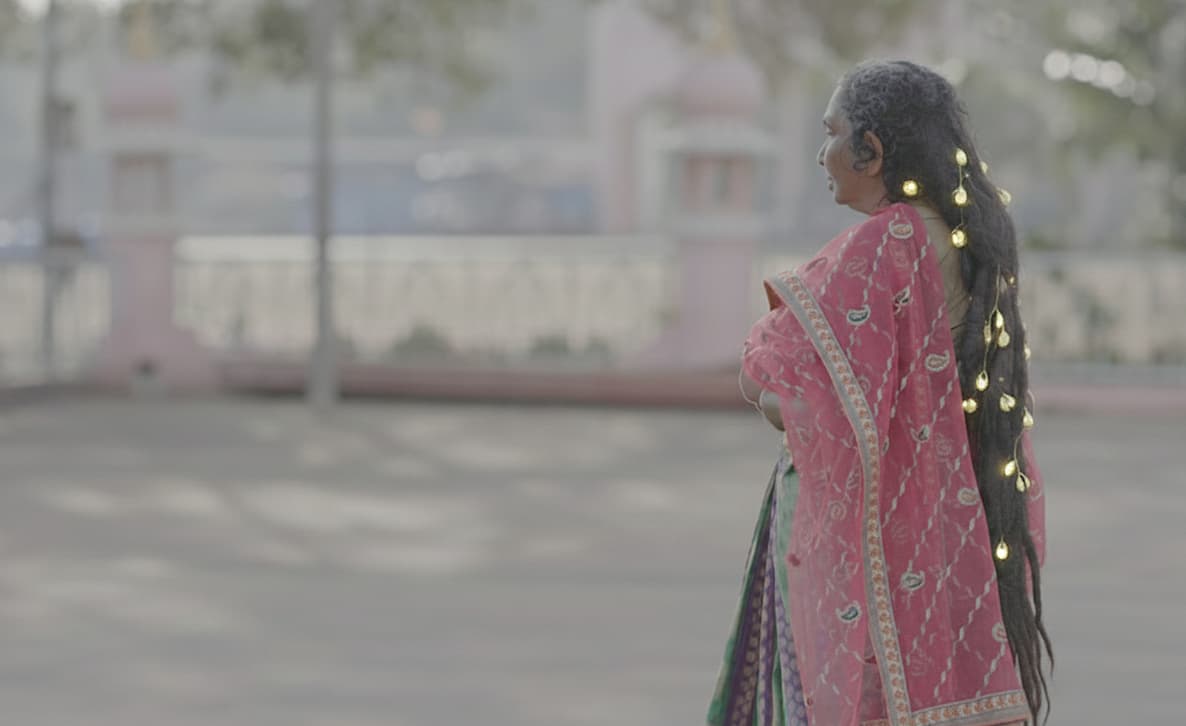
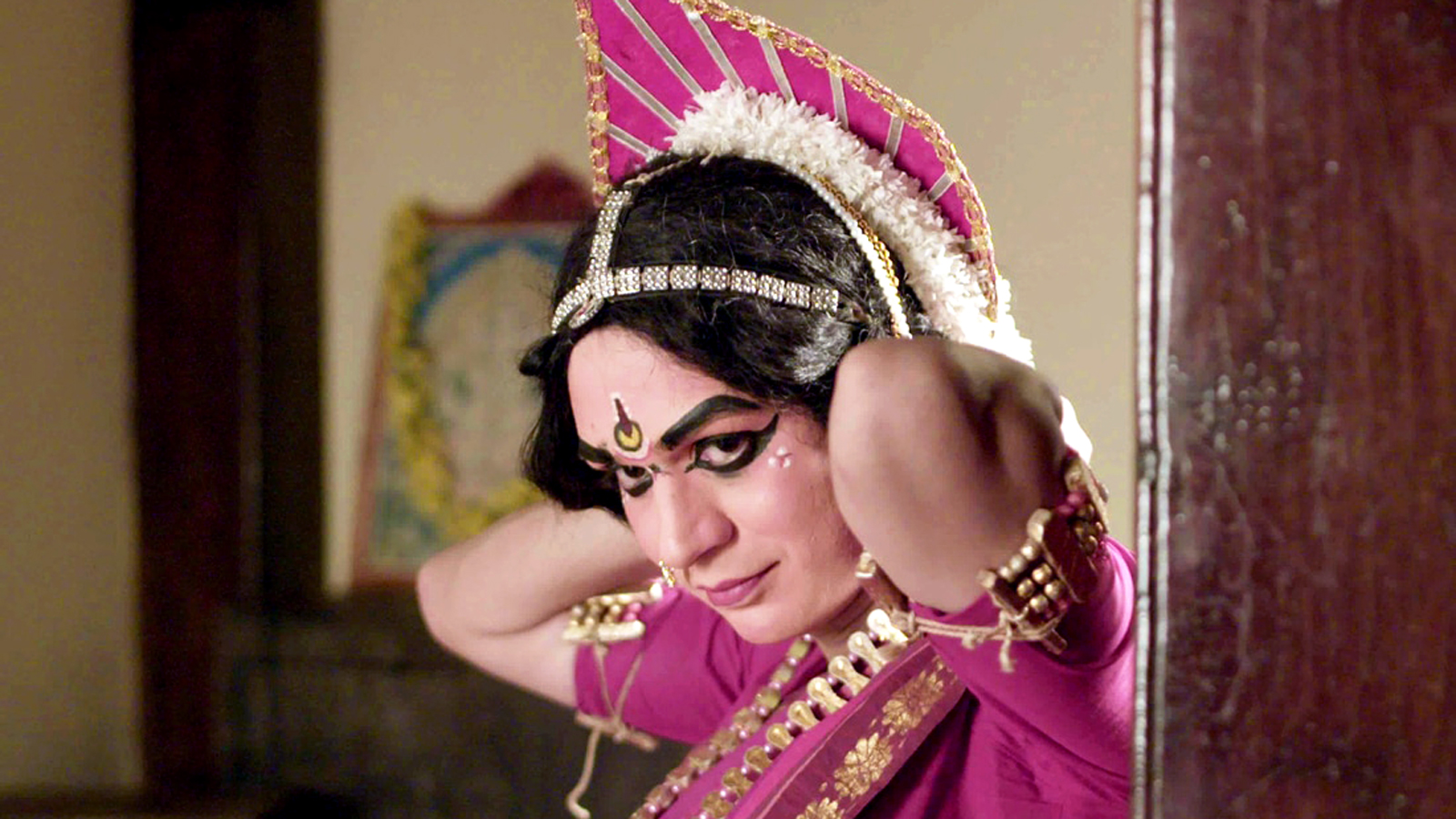
Image: Paul, Pallavi. Film stills from Alaq (2024-25). Courtesy the artist.
The third edition of A Closer Look features a virtual illustrated lecture by artist, filmmaker and scholar Pallavi Paul. Drawing from her work across moving image, installation, photography and research, the lecture reflects on a set of questions that have shaped her practice over the past decade: how truth is produced and contested, how images acquire social and political force, and how documentary might be understood beyond the limits of film.
Moving between artistic practice and scholarly inquiry, Paul traces an evolving engagement with histories of violence, disappearance, care and contagion. Beginning with The Blind Rabbit (2021), a work concerned with the fragmentary afterlives of political histories and the unstable conditions under which truth becomes perceptible, the lecture follows a trajectory through two recent projects shaped by the experience of the COVID-19 pandemic.
How Love Moves (2023) emerged from a long engagement with gravediggers in Delhi who buried thousands of people during the pandemic. Rather than approaching the cemetery solely as a site of death, the work turns towards the often unseen labour of care, maintenance and repair that sustains collective life through moments of crisis. Alaq (2024–25), recently commissioned by and presented at the Kochi-Muziris Biennale, moves between scientific, devotional and architectural worlds to consider contagion not only as a biological phenomenon but also as a condition of relation, attachment and coexistence. Bringing together the story of nurse Linny Puthussery during the Nipah outbreak, the Beemapally Dargah in Kerala, and the testimonies of healthcare workers, caregivers and communities, the work asks what remains in the wake of illness and how people continue to live with its aftermath.
Across these projects, Paul explores how power, memory, care and belief move through bodies, institutions, images and communities. The lecture reflects on documentary not simply as a mode of representation, but as a field of relations through which realities are produced, negotiated and sustained. Bringing together questions from her artistic and academic work, it considers what images do after they leave the frame, and how they continue to shape the worlds through which they travel.
The lecture will be followed by a conversation with curator and writer Mario D’Souza.
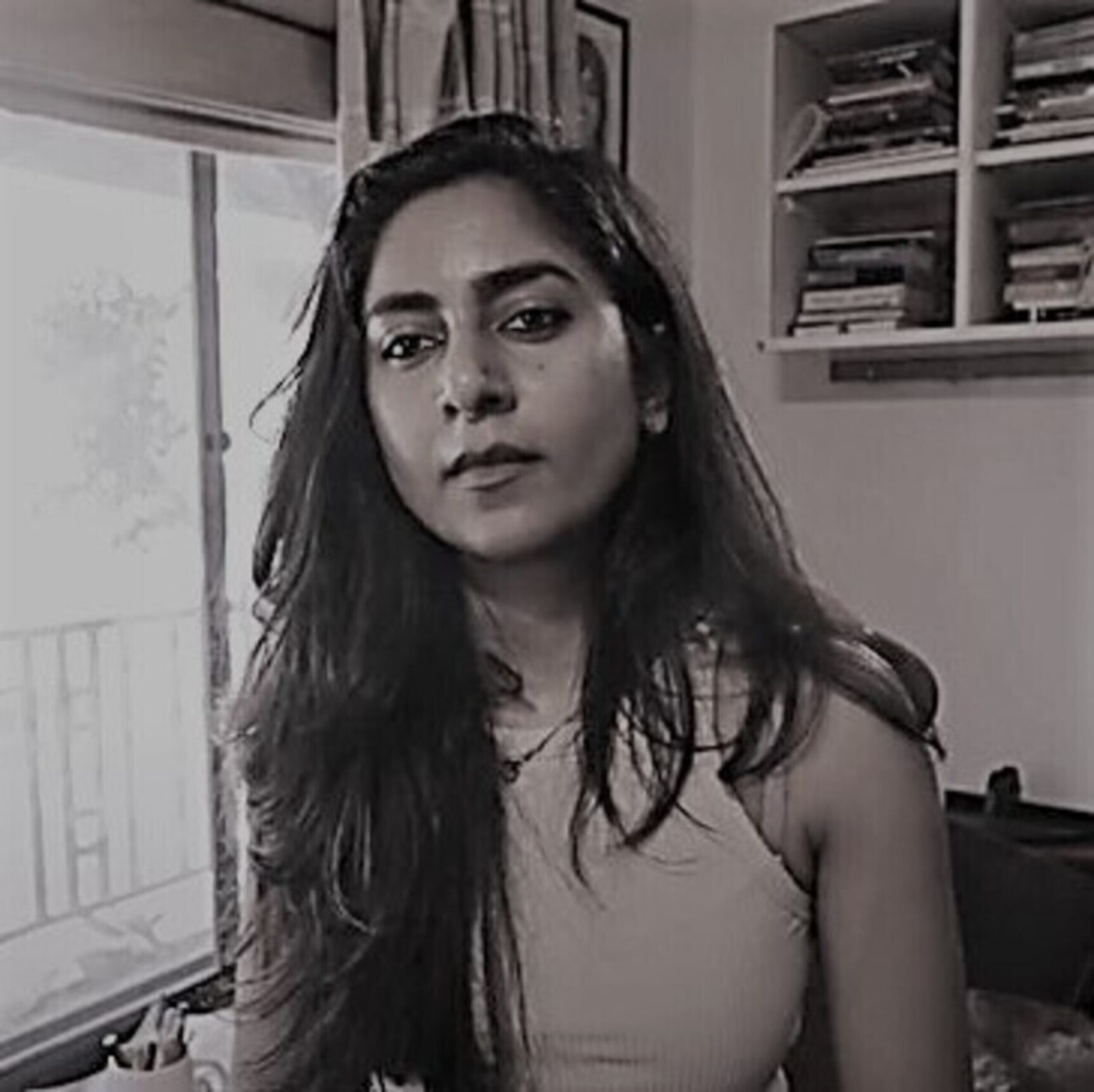
Pallavi Paul
Pallavi Paul (b. 1987) is a visual artist, filmmaker, and scholar whose work spans film, video installation, performance, and writing. Holding a PhD in Film Studies from Jawaharlal Nehru University, New Delhi, her practice explores the possibilities of non-fiction through inquiries into memory, history, political life, and collective forms of care. Working across documentary, oral history, and speculative methodologies, she examines how images, bodies, landscapes, and archives continually recombine to push ideas of truth. In 2025, she was awarded the Sharjah Biennial Prize . Her work has been exhibited internationally at institutions and festivals including Tate Modern, Berlinische Galerie, Rubin Museum, Gropius Bau, Berlinale Forum Expanded, and the International Film Festival Rotterdam, and most recently at the 6th Kochi-Muziris Biennale (2025–26). Paul has received fellowships from the DAAD Artists-in-Berlin Program, Wissenschaftskolleg zu Berlin, ICAS:MP, and the Charles Wallace–Inlaks Sivdasani Foundation, and continues to explore how testimony, speculation, and care shape shared imaginaries and possibilities of transformation.
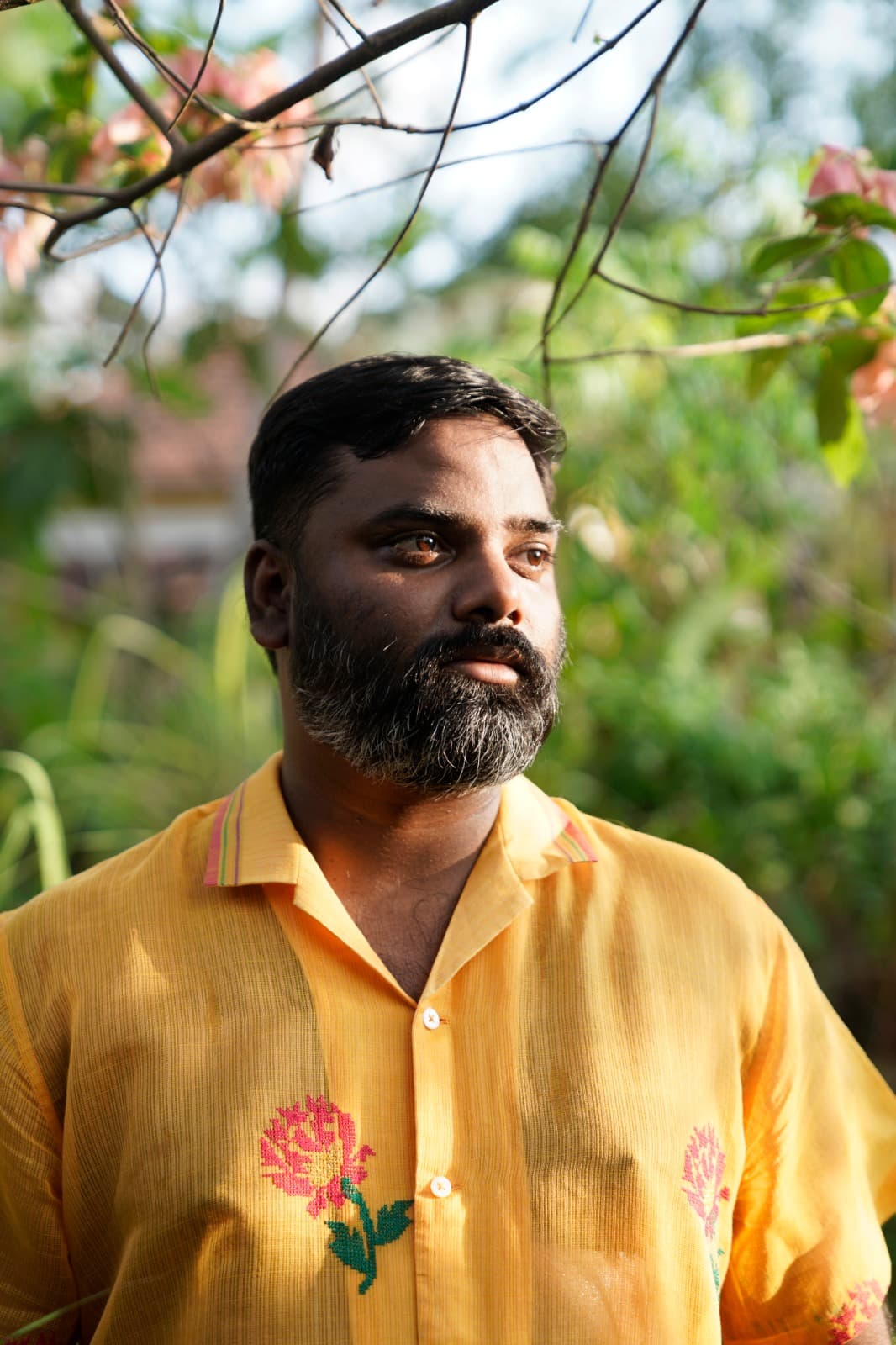
Mario D’Souza
Mario D’Souza is a curator and writer based between Goa, and Kochi, India. He is Director of Programmes at the Kochi Biennale Foundation and was on the curatorial team for the Kochi-Muziris Biennale (2022, 2025). He is also a core team member at HH Art Spaces Goa. He was formerly curator at Khoj International Artists’ Association, New Delhi, where he curated several exhibitions, including This Must be True (co-curator) and Evidence Room (2017). In addition, he led Asia Assemble (2017), Coriolis Effect: Memory Migration and the Current Moment across the Indian Ocean World (2017) and co-curated the symposium Art – Science – Fiction (2018). Recent curatorial projects include Haze at Fondazione Elpis in Milan, Italy; Antibodies with HH Art Spaces and The Tetley Museum along with the Tate supported by the British Council; How to Live Together? With HH Art Spaces, Britto Arts Trust, Theertha and Galerie 3000 supported by Pro Helvetia. D’Souza co-convened Fugitive Forms: Performance Art in South Asia at the Tate Hyundai Research Centre with Sook-Kyung Lee, Devika Singh and Nikhil Chopra in 2022; was a contributing curator for TBA 21 on st_age in 2022-23; and was awarded the Jane Farver Memorial Residency in 2024 at ISCP New York.