Terracotta Sculptures
ಟೆರಾಕೋಟಾ ಶಿಲ್ಪಗಳು
Terracotta sculptures date back to the Indus Valley civilisation. As a medium, clay was much more appealing than stone or metal, due to its accessibility and malleability.
The sculptures here belong to the Shunga period (187–78 BCE) and are unique in that they are made from moulds such as the one in the middle, instead of being handcrafted, as was tradition, then. The female mythological and indigenous subjects include folk deities and yakshis (nature spirits). The fragments display a common feature of having a flat back, functioning as a plaque.
ಟೆರಾಕೋಟಾ ಶಿಲ್ಪಗಳು ಸಿಂಧೂ ಕಣಿವೆಯ ನಾಗರಿಕತೆಯ ಸಮಯದಲ್ಲಿ ಕಾಣಿಸಿಕೊಂಡವು. ಒಂದು ಮಾಧ್ಯಮವಾಗಿ ಅದರ ಲಭ್ಯತೆ ಮತ್ತು ಮೃದುತ್ವದ ಕಾರಣದಿಂದಾಗಿ, ಜೇಡಿಮಣ್ಣು ಕಲ್ಲು ಅಥವಾ ಲೋಹಕ್ಕಿಂತ ಹೆಚ್ಚು ಆಕರ್ಷಕವಾಗಿತ್ತು.
ಇಲ್ಲಿರುವ ಶಿಲ್ಪಗಳು ಶುಂಗ ಕಾಲಕ್ಕೆ (ಕ್ರಿ.ಪೂ. 187-78) ಸೇರಿದ್ದು, ಅಂದಿನ ಸಂಪ್ರದಾಯದಂತೆ ಕರಕುಶಲತೆಯ ಬದಲು ಮಧ್ಯದಲ್ಲಿರುವಂತಹ ಅಚ್ಚುಗಳಿಂದ ಮಾಡಿರುವುದು ವಿಶಿಷ್ಟವಾಗಿದೆ. ಸ್ತ್ರೀ ಪೌರಾಣಿಕ ಮತ್ತು ಮೂಲ ವಿಷಯಗಳಲ್ಲಿ ಜಾನಪದ ದೇವತೆಗಳು ಮತ್ತು ಯಕ್ಷಿಗಳು (ಪ್ರಕೃತಿ ಶಕ್ತಿಗಳು) ಸೇರಿವೆ. ಅವುಗಳ ತುಣುಕುಗಳು ನೇರ ಹಿಂಬದಿಯ ಸಾಮಾನ್ಯ ಲಕ್ಷಣ ಹೊಂದಿದ್ದು ಸ್ಮರಣಿಕೆಗಳಾಗಿ ಕಾರ್ಯನಿರ್ವಹಿಸುತ್ತವೆ.
Click on an object to learn more


Click to open
SCU.01742
TERRACOTTA PLAQUE DEPICTING A WOMAN CARRYING A CHILD (POSSIBLY HARITI)
200 BCE-101 BCE
West Bengal, India
Terracotta
H. 24.6 cm, W. 11.2 cm

Click to open
SCU.01746
TERRACOTTA PLAQUE DEPICTING A WOMAN (POSSIBLY A FERTILITY GODDESS/YAKSHI)
200 BCE-101 BCE
West Bengal, India
Terracotta
H. 19.5 cm, W. 8.7 cm

Click to open
SCU.01749
TERRACOTTA PLAQUE DEPICTING SHUKA BHASINI (LADY WITH A PARROT)
200 BCE-101 BCE
West Bengal, India
Terracotta
H. 29.1 cm, W. 14.6 cm
Click to open
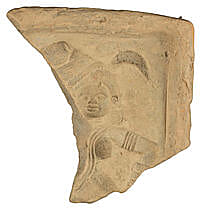
SCU.01755
FRAGMENT OF TERRACOTTA MOULD WITH A PARTIALLY VISIBLE FEMALE FIGURE
200 BCE-101 BCE
West Bengal, India
Terracotta
H. 9.9 cm, W. 9.6 cm

Click to open
SCU.01756
FRAGMENT OF TERRACOTTA MOULD DEPICTING THE LOWER BODY PORTION OF A FIGURE
200 BCE-101 BCE
West Bengal, India
Terracotta
H. 14 cm, W. 12.9 cm