Baramasa in Indian Miniature Paintings
ಭಾರತೀಯ ಚಿಕಣಿ ಚಿತ್ರಗಳಲ್ಲಿ ಬಾರಾಮಾಸ
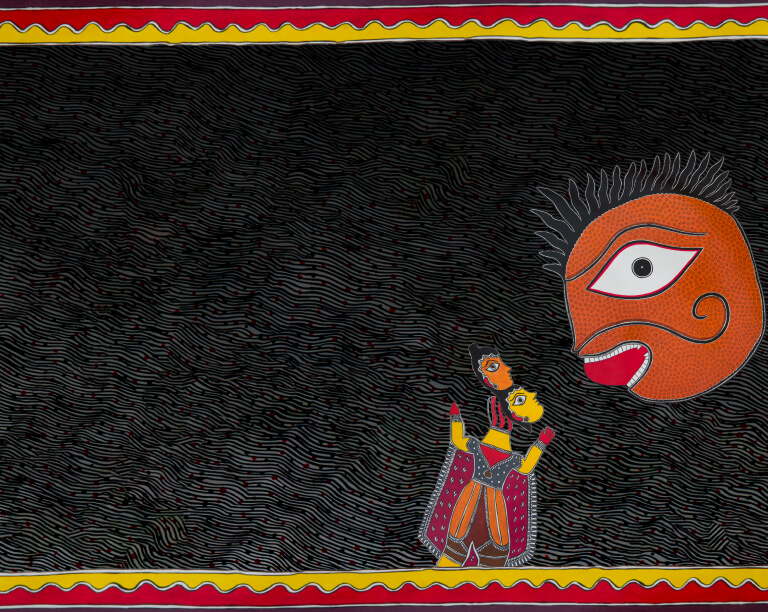
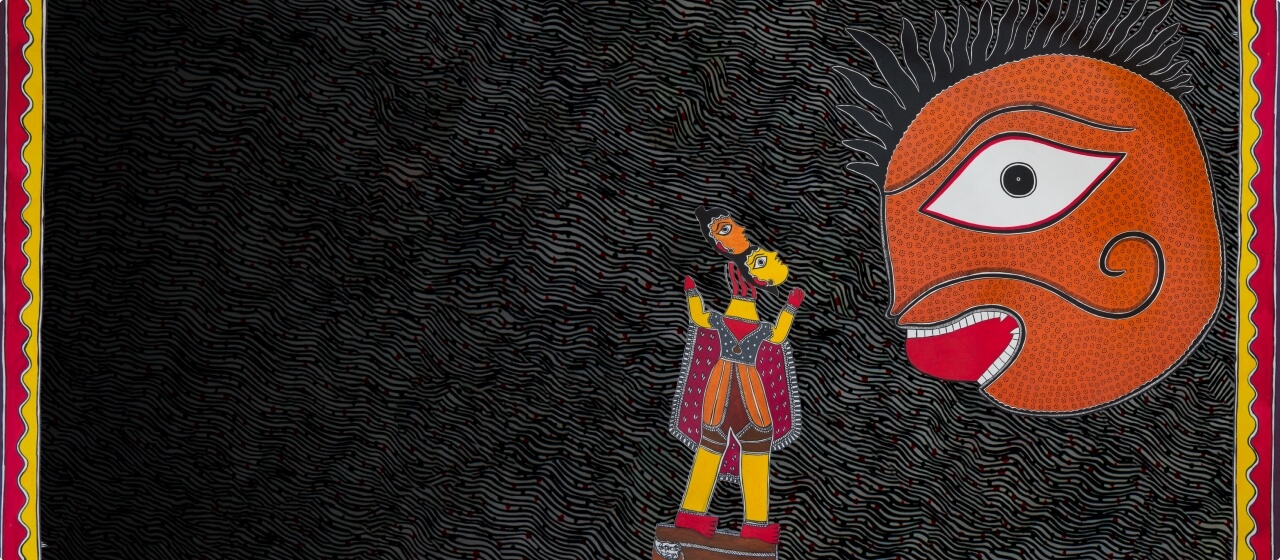
Baramasa, or ‘songs of the twelve months,’ began as poetry expressing a woman’s viraha or agony over separation from a lover through metaphors linked to the changing seasons. Inspired by Keshav Das’ Kavipriya, particularly its tenth chapter, Baramasa paintings were initially commissioned by the Pala Kings of Bengal, the Mughals and Rajputs, in regions such as Bundi, Kishangarh, Jaipur, Mewar and Marwar, eventually spreading to Himachal Pradesh. Over time, these paintings became more ornamental and religious, featuring Radha and Krishna as popular motifs. The nayika (heroine), was portrayed in various scenarios with different bhavas or emotions, alongside the nayaka (hero), her lover.
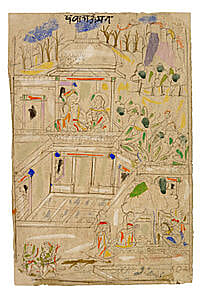
The three illustrations here depict scenes of the Hindu deity, Krishna, and his consort Radha, during the monsoon months of the Hindu lunar calendar.
ಬಾರಾಮಾಸ, ಅಥವಾ 'ಹನ್ನೆರಡು ತಿಂಗಳ ಹಾಡುಗಳು,' ಬದಲಾಗುತ್ತಿರುವ ಋತುಗಳಿಗೆ ಸಂಬಂಧಿಸಿದ ರೂಪಕಗಳ ಮೂಲಕ ಪ್ರೇಮಿಯಿಂದ ಬೇರ್ಪಡುವ ಮಹಿಳೆಯ ವಿರಹ ಅಥವಾ ಸಂಕಟವನ್ನು ವ್ಯಕ್ತಪಡಿಸುವ ಕವನವಾಗಿ ಪ್ರಾರಂಭವಾಯಿತು. ಕೇಶವ ದಾಸರ ಕವಿಪ್ರಿಯಾ, ವಿಶೇಷವಾಗಿ ಅದರ ಹತ್ತನೇ ಅಧ್ಯಾಯದಿಂದ ಪ್ರೇರಿತವಾದ ಬಾರಾಮಾಸ ವರ್ಣಚಿತ್ರಗಳನ್ನು ಆರಂಭದಲ್ಲಿ ಬಂಗಾಳದ ಪಾಲ ರಾಜರು, ಮೊಘಲರು ಮತ್ತು ರಜಪೂತರು, ಬುಂದಿ, ಕಿಶನ್ಗಢ, ಜೈಪುರ, ಮೇವಾರ್ ಮತ್ತು ಮಾರ್ವಾರ್ನಂತಹ ಪ್ರದೇಶಗಳಲ್ಲಿ ನಿಯೋಜಿಸಿದ ನಂತರ ಇದು ಕಾಲಾಂತರದಲ್ಲಿ ಹಿಮಾಚಲ ಪ್ರದೇಶಕ್ಕೆ ಹರಡಿತು. ಕಾಲಾನಂತರದಲ್ಲಿ, ಈ ವರ್ಣಚಿತ್ರಗಳು ಹೆಚ್ಚು ಅಲಂಕಾರಿಕ ಮತ್ತು ಧಾರ್ಮಿಕವಾದವು, ರಾಧಾ ಮತ್ತು ಕೃಷ್ಣರನ್ನು ಜನಪ್ರಿಯ ಸಂಕೇತಗಳಾಗಿ ತೋರಿಸಿದವು. ನಾಯಿಕಾ (ನಾಯಕಿ), ಮತ್ತು ಅವಳ ಪ್ರೇಮಿ ನಾಯಕ ಜೊತೆಗೆ ವಿಭಿನ್ನ ಭಂಗಿಗಳು ಅಥವಾ ಭಾವನೆಗಳೊಂದಿಗೆ ವಿವಿಧ ಸನ್ನಿವೇಶಗಳಲ್ಲಿ ಚಿತ್ರಿಸಲಾಗಿದೆ.
ಇಲ್ಲಿರುವ ಮೂರು ಚಿತ್ರಣಗಳು ಹಿಂದೂ ದೇವತೆಯಾದ ಕೃಷ್ಣ ಮತ್ತು ಅವನ ಪತ್ನಿ ರಾಧೆಯ ದೃಶ್ಯಗಳನ್ನು ಹಿಂದೂ ಚಾಂದ್ರಮಾನ ಪಂಚಾಂಗದ ಮಳೆಗಾಲದ ತಿಂಗಳುಗಳಲ್ಲಿ ಚಿತ್ರಿಸುತ್ತವೆ.
Click on an object to learn more


Click to open
PTG.01073
KRISHNA AND RADHA IN A GARDEN
19th century
Jaipur, Rajasthan, India
Brush drawing on paper
H. 27 cm, W. 17 cm
Click to open
PTG.01875
ILLUSTRATION OF THE BARAMASA
19th century
India
Ink and watercolour on paper
Image: H. 20.1 cm, W. 16.5 cm; Support: H. 50 9 cm, W. 41 cm

Click to open
PTG.01033-9
ILLUSTRATION OF THE MONTH ASHADHA
19th century
Bundi, Rajasthan, India
Opaque watercolour on paper
H. 33 cm, W. 22 cm