Guided Walk
See like an Artist: Paper Gardens
Nirupa Rao
Experience the exhibition through the eyes of a botanical artist.
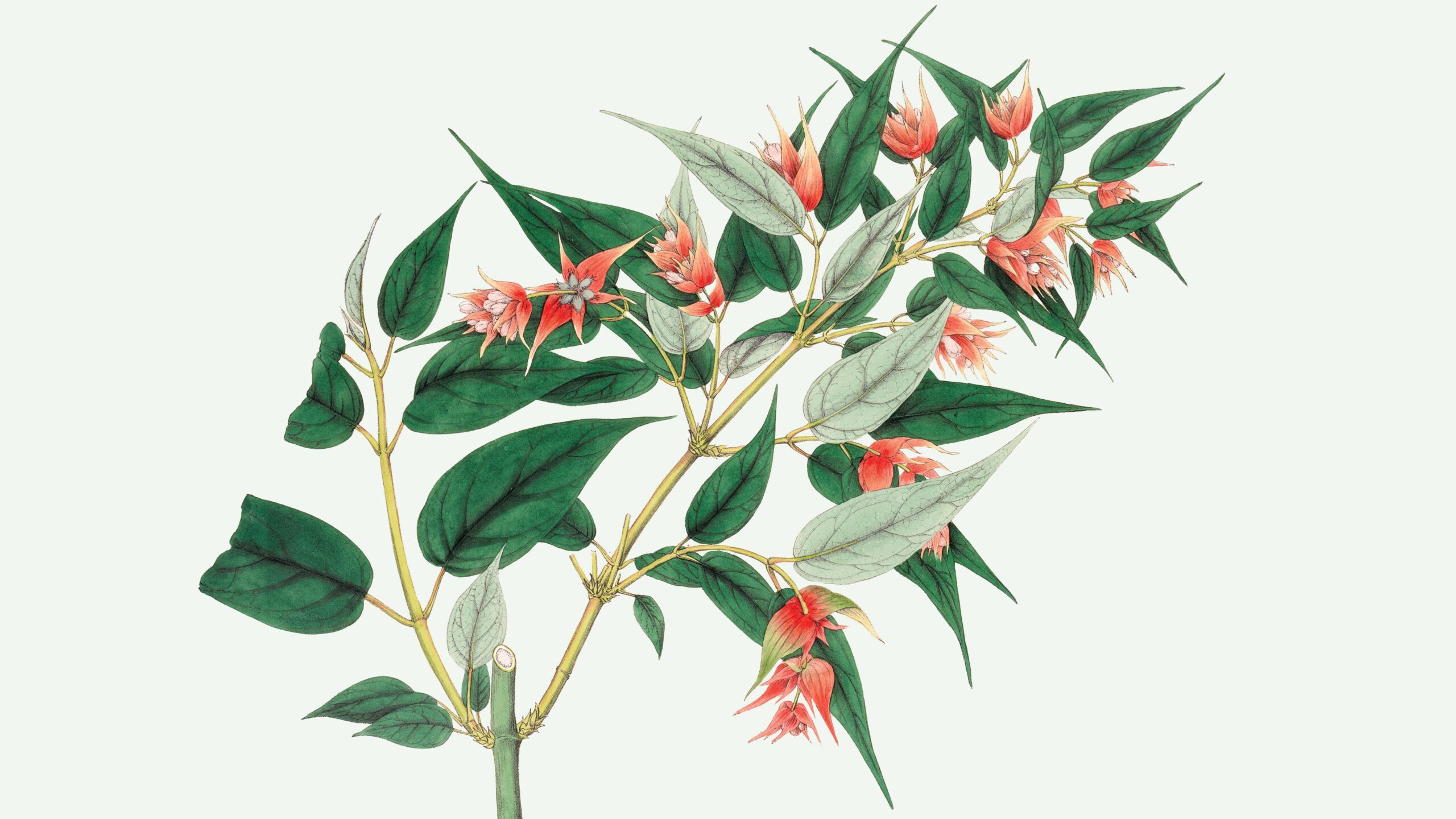
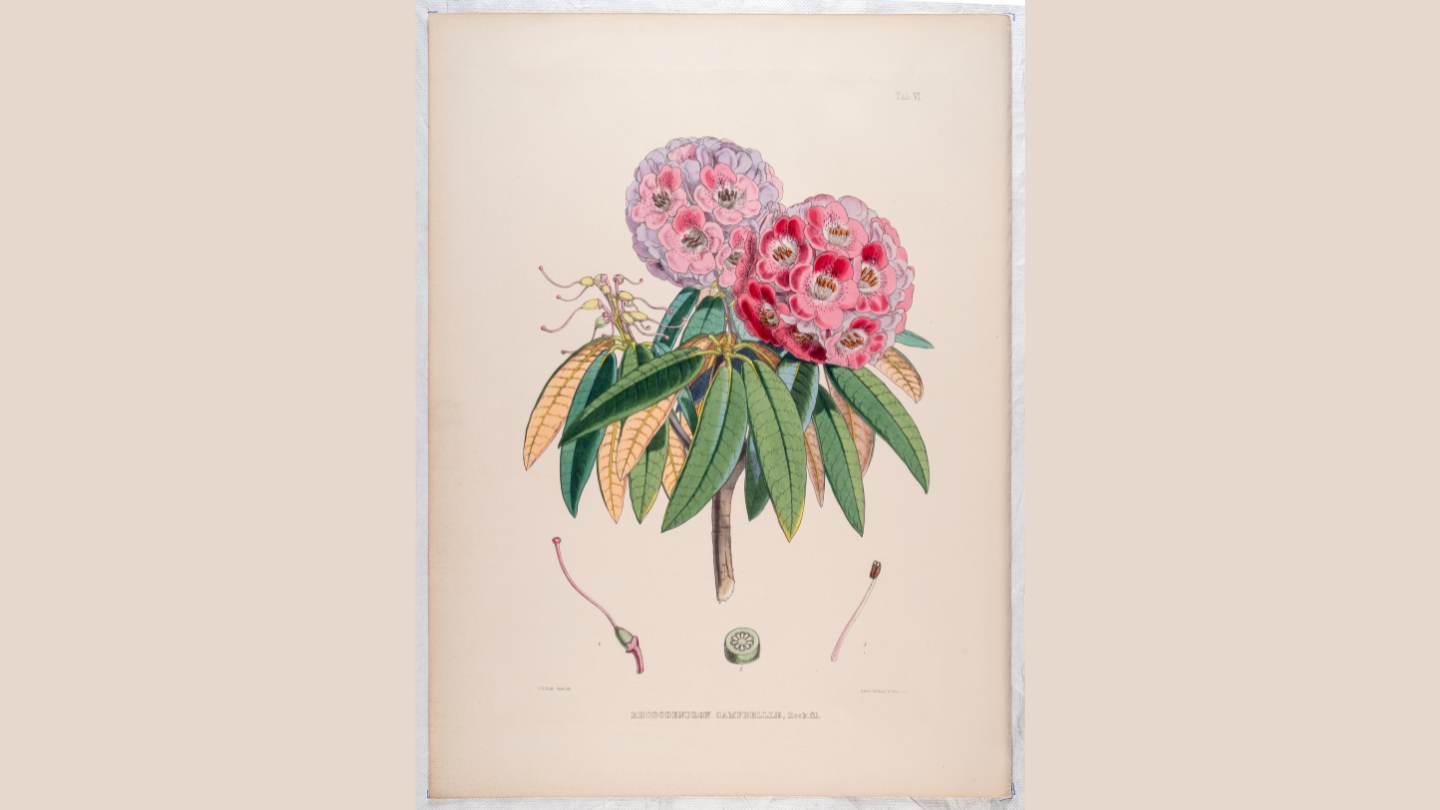
Led by Bangalore-based, self-taught artist Nirupa Rao, this guided walk explores plants not as isolated specimens, but as dynamic, living beings embedded within rich ecological worlds. From strangler figs to basket ferns, Rao’s illustrations in the exhibition reveal trees as thriving micro-ecosystems — alive with birds, insects, and other forms of life that shape their survival.
This programme is in conjunction with the ongoing exhibition, Paper Gardens: Art Botany and Empire.
‘Paper Gardens’ marks the continuation of a sustained, years-long collaboration between MAP and Impart — an online platform fostering greater public engagement with the art and cultural histories of South Asia.
Bookings
This event is fully booked.

Nirupa Rao
Nirupa Rao is a botanical artist from Bangalore, India. She illustrated her first book, Pillars of Life—Magnificent Trees of the Western Ghats (2018), authored by ecologists Divya Mudappa and TR Shankar Raman of the Nature Conservation Foundation. With a grant from National Geographic Society, she then created her next illustrated book, Hidden Kingdom—Fantastical Plants of the Western Ghats (2019), aimed at opening the eyes of Indian children to the wonders of native flora. In 2020, she received the prestigious National Geographic Storytelling Fellowship to create an animated short film on wild nutmeg swamps of south India, titled Spirit of the Forest. The film has been shown in schools across India and globally in an effort to teach children how the formation of the Indian subcontinent at the breakup of Gondwanaland links to the distribution of flora across the planet today.
Nirupa’s interest in public science education has led her to illustrate subjects as varied as neuroscience and cellular biology for the European Molecular Biology Lab (Germany), Fungi Foundation (Chile), and the Nature Conservancy (USA). She also illustrated the cover of Amitav Ghosh’s novel Gun Island, and re-jacketed four of his older titles. She was the youngest artist featured in Kew Botanic Garden’s Indian Botanical Art—An Illustrated History (2021) by celebrated writer Martyn Rix, participated in the Royal Botanic Garden Edinburgh’s workshop on decolonising their archives (2024), and was featured in the BBC documentary Nature and Us—A History Through Art (2021). She was the first artist-in-residence at Harvard University’s Dumbarton Oaks Research Centre (Washington DC), where she also exhibited her work alongside iconic 20th century botanical painter Margaret Mee. During the COVID-19 lockdown, as part of an initiative by the Going to School Foundation, she taught botanical art classes televised on the national channel Doordarshan. She has also co-mentored two annual botanical art workshops at the Rao-Jodha Desert Rock Park (Jodhpur) with fellow artist Malini Saigal and ecologist Pradip Krishen.