Workshops
Climate Change and Women’s Labour
Priti David & Jaideep Hardikar
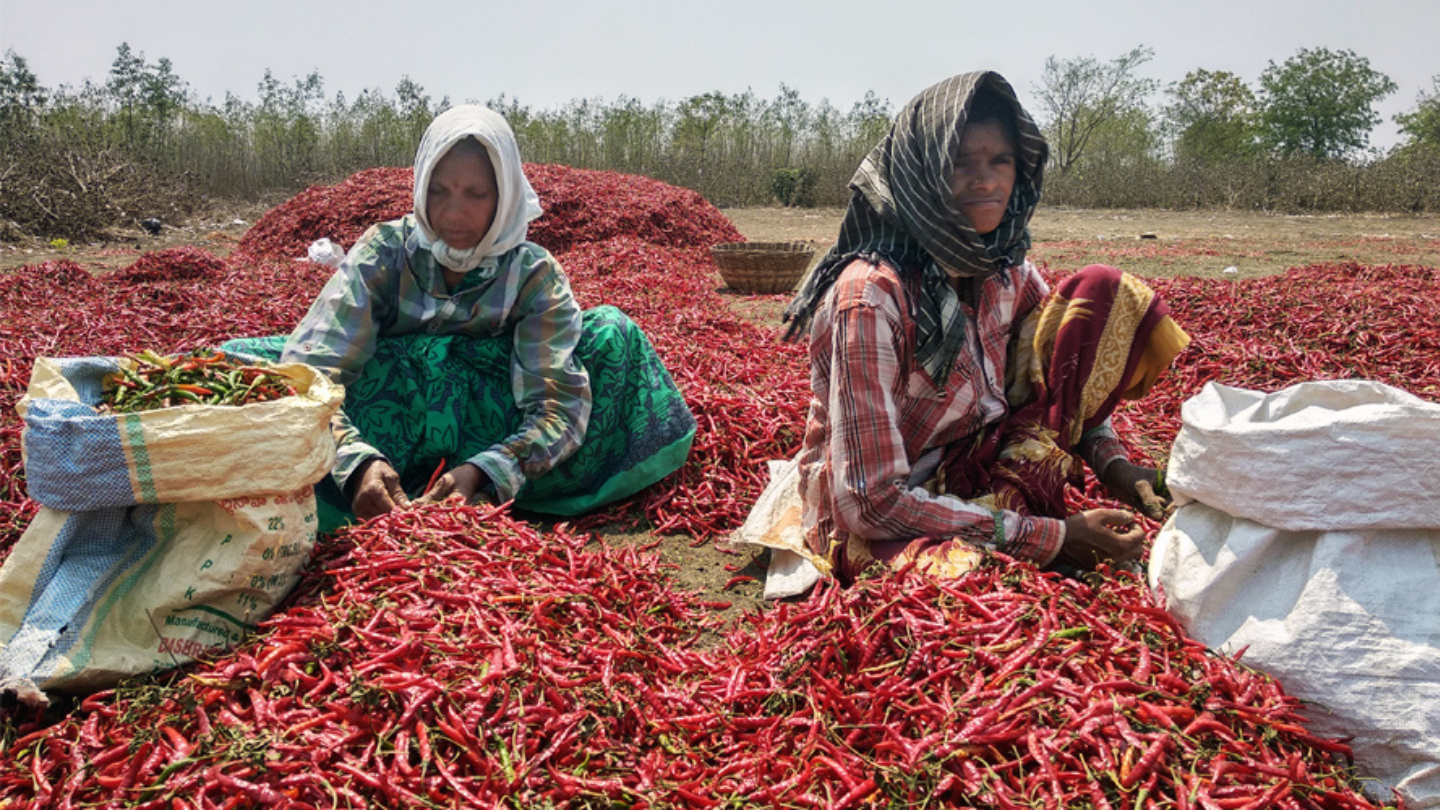
Image credits – Rahul Maganti
A changing climate — excessive heat, floods, drought, delayed monsoons, untimely rains and more — are having a devastating impact in the countryside.
In this workshop, we will be discussing how we gather and process information around this that doesn’t default to the most visible, the most articulate and the most convenient.
We will open up a conversation on the blind spot in climate change documentation — women and marginalised people. The burden of a changing climate is disproportionately higher on women as summers arrive earlier, last longer and are hotter than before. What constitutes their labour — and who gets to define it? Labour takes many forms, yet documentation has long been shaped by those with the privilege to record and overlook.
The everyday work of women in the home, the intricate skill behind craft processes, the invisible hands in agriculture, the daily work in animal husbandry, these rarely make it into the frame. Caste is another glaring gap in documentation of labour — this labour is among the most physically demanding and socially stigmatising, and yet it is systematically erased from public history, archive, and public acknowledgement.
To ethically and honestly account for labour is to reckon with who has been seen, and who has been made invisible, and by whom. And how can we change that, one story at a time.
This event is part of programming around Beneath the Turning Sky in collaboration with People’s Archives of Rural India (PARI)
Bookings
This event is fully booked.