Panel Discussion
Archiving Food, Archiving Power
Goya Media
Food possesses the unique ability to unite communities while simultaneously perpetuating the exclusion of marginalised voices. A critical examination of the politics embedded in our food archives reveals the enduring influence of caste and colonial legacies.
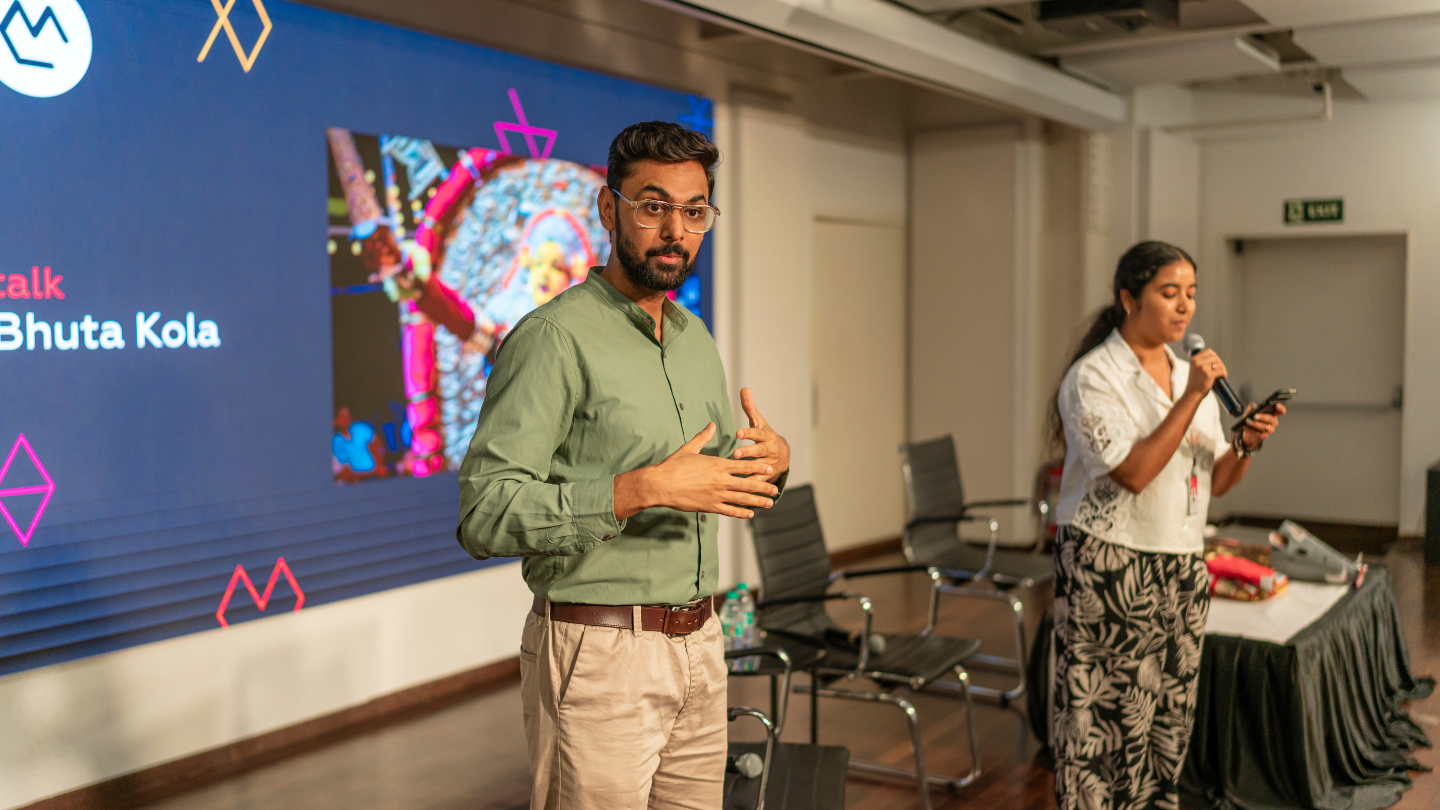
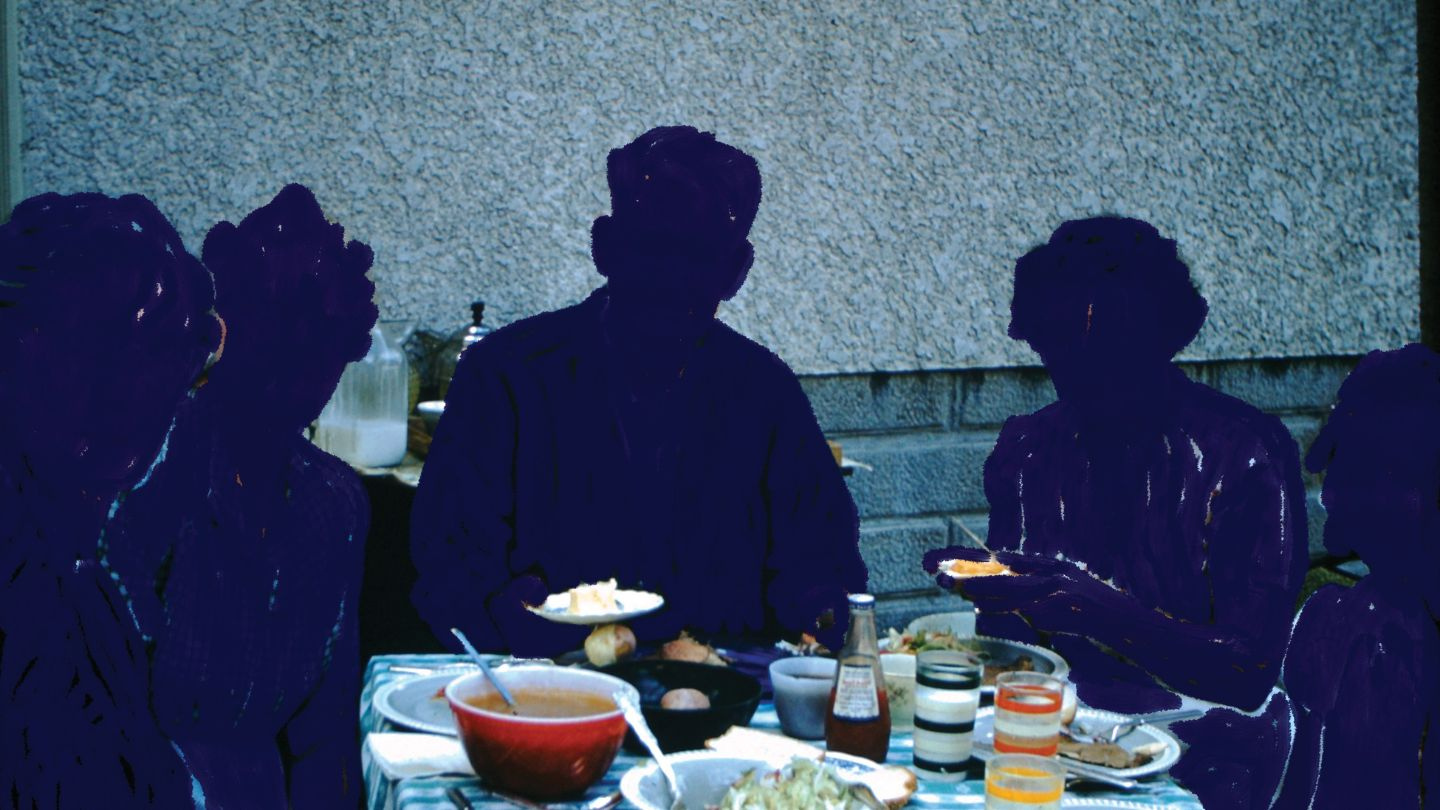
What factors determine the foods we come to know and consume? Join us for an intimate panel discussion with Vinay Kumar, Sumaiya Mustafa and Rajyashri Goody, moderated by Divya Kandukuri, as they interrogate how social hierarchies, particularly caste, have sculpted Indian culinary narratives. Whose recipes are enshrined in history books as exemplars of ‘authentic’ Indian cuisine, and whose remain overlooked? How do these dynamics manifest in the power of naming—whether plants, recipes, or adaptations for Western appeal?
Ultimately, how might food serve as a transformative force to celebrate identity, belonging, and community?
In Part 1 of this panel series, we bring together artists, researchers, and professors who examine food politics through the lens of caste. Part II explores the topic with a focus on food systems.
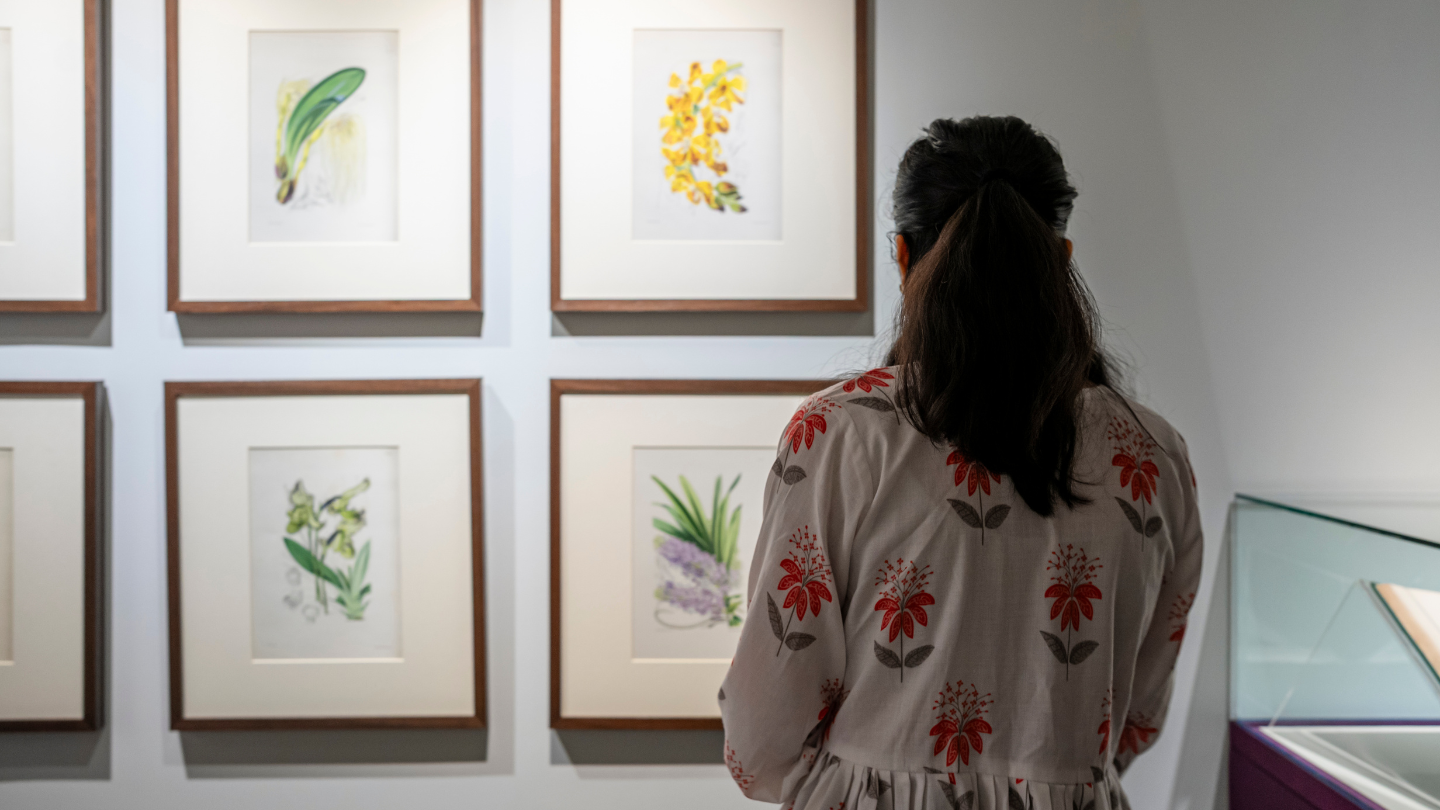
This programme is in conjunction with MAP’s ongoing exhibition Paper Gardens: Art, Botany and Empire.
Bookings
Bookings are closed for this event.
Goya Media
Goya Media founded by Anisha Rachel Oommen and Aysha Tanya, is an award-winning food and culture publication focused on India and South Asia. It operates at the intersection of storytelling and strategy, driving meaningful conversations around culinary heritage and cultural identity.
Through editorial content, B2B festivals, immersive experiences, and consulting, Goya goes beyond documenting food culture—it actively supports and shapes the communities and industries that bring it to life.
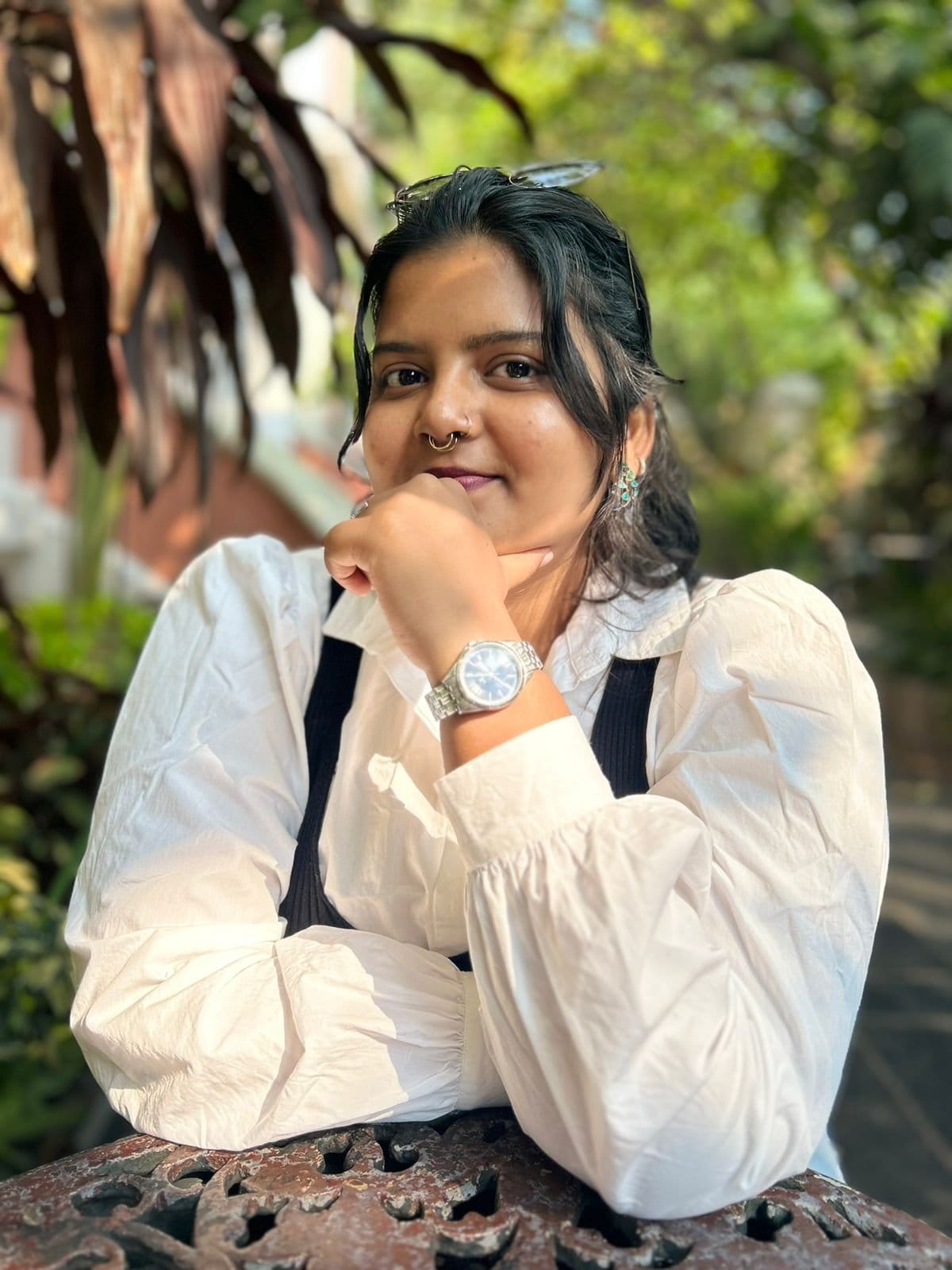
Divya Kandukuri
Divya Kandukuri is an Ambedkarite feminist activist, trainer, writer and development professional. She is the founder of The Blue Dawn, a mental health collective that upholds anti-caste and feminist politics in its functioning. The Blue Dawn has been working on bringing discussions on caste and mental health to the forefront of India’s mental health discourse through its social justice lens towards mental health. Divya has also been a trainer for The Blue Dawn and works with social workers, media professionals, and mental health professionals to equip them with tools to incorporate discussions on the caste system, feminism and social justice into their practices.
In addition to her work with The Blue Dawn, she is an independent media practitioner and writer. Drawing from her lived experiences as an inter-caste, inter-faith individual, she focuses on inter-relations of caste, gender, pop culture, and mental health.
Previously, Divya also worked as Research and Program Coordinator at Zubaan, a feminist publication house and an active archiver of feminist and women’s movements in South Asia. Her role involves working with Zubaan Projects, which works with a particular focus on historically marginalised and oppressed groups.
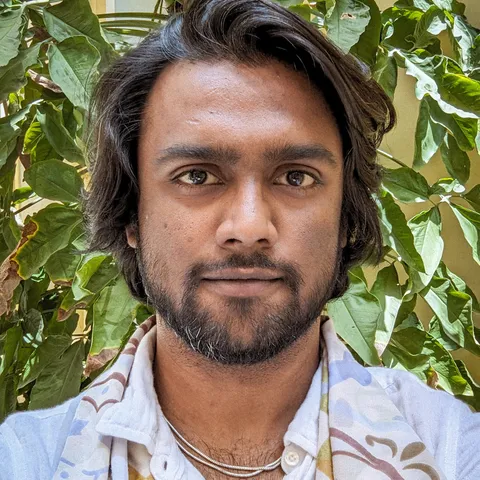
Vinay Kumar
Vinay’s interest and work lie in literature and popular media. He’s keen on understanding the representation of marginalised identities in popular art and media. He is interested in using popular writing platforms to take academic conversations into the everyday.
He is a Fellow with the first Queer Frames Screenwriting Lab, an initiative by The Queer Muslim Project and Netflix to support LGBTQIA+ storytellers in India.
He received his Master’s degree in English from The University of Hyderabad in 2019. He is currently working on his first book manuscript for Westland Publications.
Vinay has previously worked as a freelance journalist, translator, and photographer and writes regularly for popular Indian publications.
He has been on the organising team of the Azim Premji University Short Story Contest for Young Writers, Humanities Conference (Archives and Archiving: Politics, Ethics, and Technology) and Bengaluru Jatre.
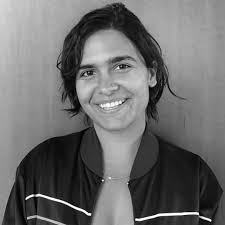
Rajyashri Goody
Rajyashri Goody was born in 1990 in Pune, India. She is currently based in Goa. Goody completed her BA in Sociology at Fergusson College in Pune in 2011, and an MA in Visual Anthropology at the Granada Centre for Visual Anthropology at the University of Manchester, UK in 2013. In 2023, she completed a two year residency at the Rijksakademie Van Beeldende Kunsten, Amsterdam.
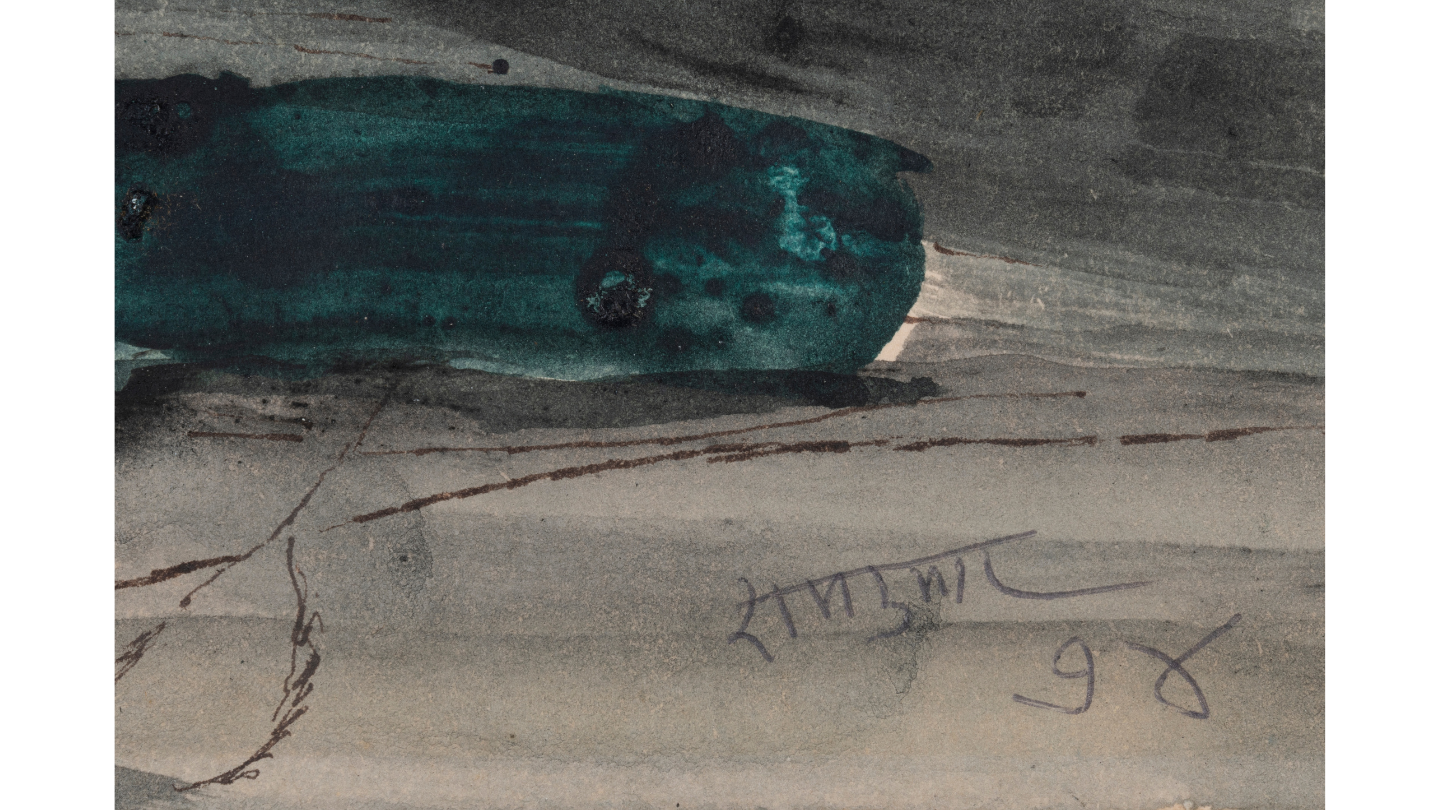
Her research interests include food and water politics, religion, literacy and literature, mobility and place-making in the context of caste-based violence and Dalit resistance in India. She works with found objects, paper pulp, clay, text, photographs, printmaking, and performance.
Goody’s work has been presented at the Bukhara Biennial (2025); Sao Paulo Bienal (2025); Sharjah Biennial (2025); Busan Biennale (2024); National Museum for Women in the Arts, Washington DC (2024); Asia Now, Paris (2023); Jogja Fotografis Festival, Yogyakarta (2023); Recontres de Bamako (2023); Galleryske, New Delhi (2022); Breda Photo (2022); Savvy Contemporary, Berlin (2022); Goethe Institut, Pune and Mumbai (2025, 2021); and Serendipity Arts Festival, Goa (2025, 2019).
Selected artist residencies include SAVAC, Toronto (2025); Art Explora, Paris (2024); Rijksakademie Van Beeldende Kunsten, Amsterdam (2021-2023, 2017); Art Omi, Ghent (2019); ISCP, New York (2018); Khoj International, New Delhi (2017); ACC, Gwangju (2016); and Bamboo Curtain Studio (2015).
Goody is represented by GALLERYSKE, New Delhi.
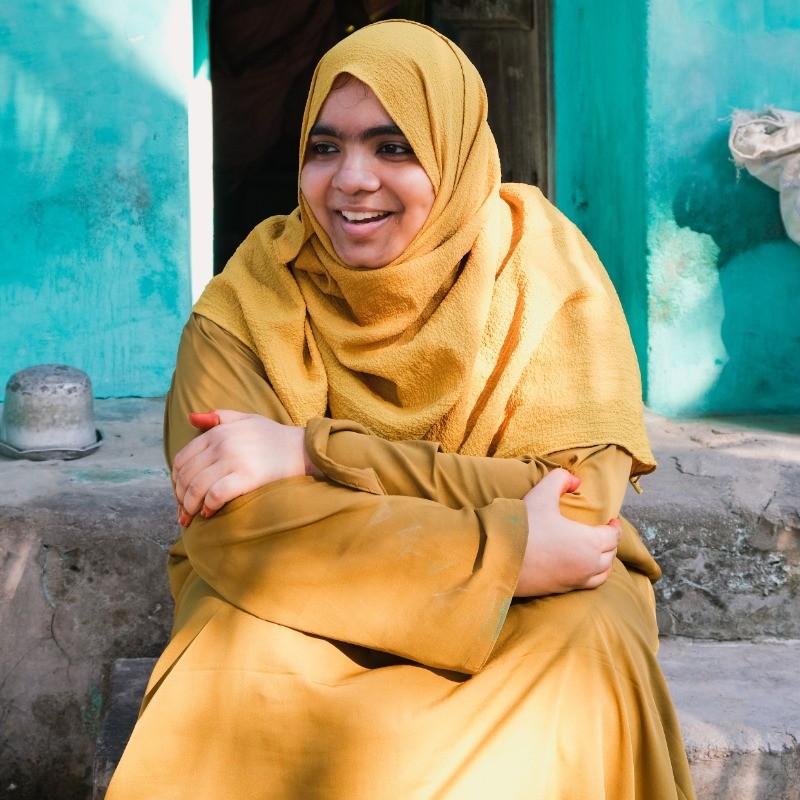
Sumaiya Mustafa
Sumaiya Mustafa is a culinary ethnographer and writer and has a huge fondness for words, tastes, and people who create and consume cultures. She has previously worked in a project called “The Regional Table” with IFB Films.
Since 2020, she has been writing about oceanic cultures, tastes, and food in popular culture and storytelling. Her pieces on culinary cultures have been published across magazines and newspapers.
She is a grantee of the Serendipity Arts Foundation’s “Food Matters Grant 2024”, documenting Tamil Nadu’s roadside Porotta eateries — much devoured in a predominantly rice-growing and rice-eating state. Her project aims to uncover the various social and culinary facets in the phenomenon of Porotta making and eating. From the newness of the Porotta tradition to the novel techniques and the ever-mutating taste and design of the eateries, the project aims to document a variety of phenomena.